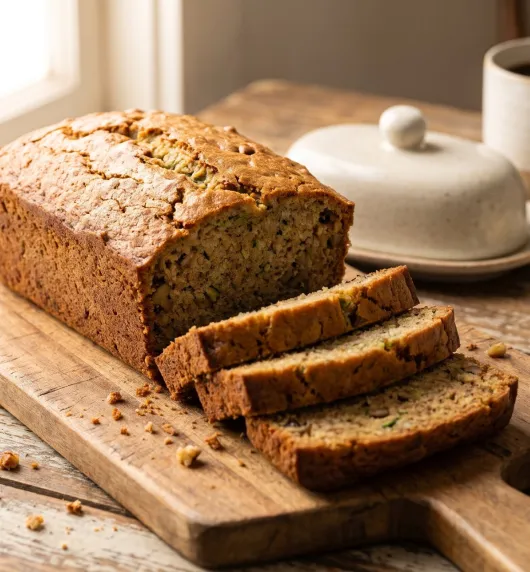
Banana Bread Recipe in Grams (Metric Measurements for a Perfect Loaf)
A moist, tender banana bread made with precise gram measurements for consistent results every time, using ripe bananas, butter, brown sugar, and warm spices.
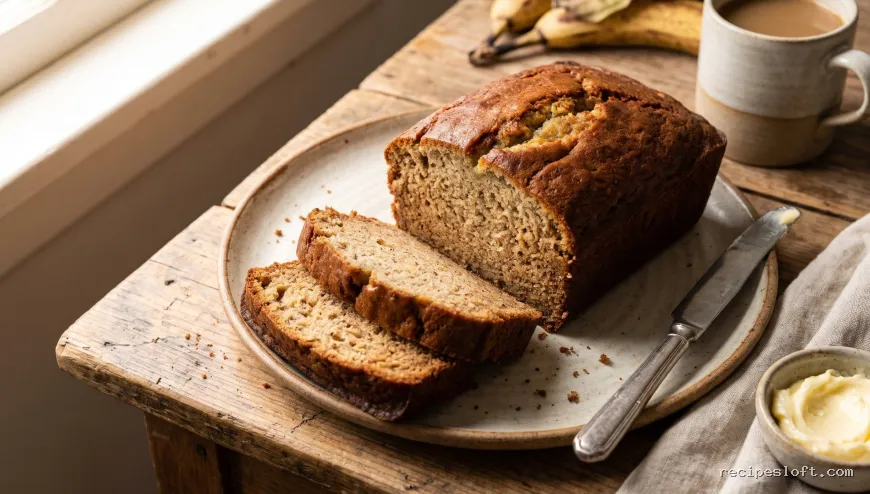
Cook this recipe
Banana Bread Recipe in Grams (Metric Measurements for a Perfect Loaf)
Instructions
Preheat and prepare the pan
Mash the bananas
Combine wet ingredients
Add the baking soda and salt
Fold in the dry ingredients
Pour and bake
Cool and slice
Share this recipe
Loved this recipe? Share it with someone who’ll enjoy it.
Cooking guide
Cooking tips and techniques
A banana bread recipe grams version simply swaps cup measurements for a kitchen scale, which gives more consistent results because flour and sugar can vary in weight depending on how they're scooped. Using grams means the same loaf every time, with no guessing about packed versus loose cups.
Why Use Grams for This Banana Bread Recipe
Weighing ingredients removes the most common source of inconsistency in home baking: how tightly flour or brown sugar gets packed into a cup. A banana bread recipe grams approach means 240 grams of flour is always 240 grams, whether you scoop it gently or press it down, so the batter's structure stays predictable from one bake to the next. This matters most for flour and sugar, since even small weight differences change how dense or dry the finished loaf turns out.
How Banana Ripeness Affects This Banana Bread Recipe
The riper the bananas, the more moisture and natural sweetness they contribute, which directly affects how the batter bakes. Bananas with heavily speckled or fully blackened peels mash more easily and weigh accurately once peeled, so aim for the full amount called for in the recipe card rather than estimating by banana count alone, since banana size varies widely. If your bananas are under-ripe, a quick fix is roasting them whole at 300°F (150°C) for 15-20 minutes until the skins blacken and the fruit softens, then cooling before mashing and weighing.
Substitutions and Metric Conversions for This Banana Bread Recipe in Grams
Most ingredients in this recipe can be adjusted without breaking the structure, as long as you keep the gram weights close to the original. Brown sugar can be swapped gram-for-gram with granulated sugar, though the loaf will be slightly less moist and have a lighter color. Melted butter can be replaced with an equal weight of neutral oil for a more tender, slightly denser crumb. If you only have measuring cups, a reliable general conversion is roughly 120 grams per cup of all-purpose flour and roughly 200 grams per cup of granulated sugar, though weighing directly is more accurate than converting.
Preventing a Dense or Sunken Banana Bread
A dense or sunken loaf is almost always caused by overmixing the batter or underbaking the center. Once the flour is added, stir only until the streaks disappear; overworking the batter develops gluten and makes the bread tough and compact instead of tender. A sunken center usually means the loaf was pulled from the oven before it finished cooking through, so always test with a toothpick inserted into the thickest part of the loaf and confirm it comes out clean or with a few moist crumbs before removing the pan.
Storing and Reheating Banana Bread
Cooled banana bread keeps well at room temperature for up to 4 days when wrapped tightly in plastic wrap or stored in an airtight container. For longer storage, wrap the whole loaf or individual slices and freeze for up to 3 months. To reheat, warm slices in a 300°F (150°C) oven for about 10 minutes, or microwave individual slices in short bursts; if reheating leftovers that contain egg-based batter, bring them to an internal temperature of 165°F (74°C) to ensure they are heated through evenly.
Slicing and Serving This Gram-Based Banana Bread
Let the loaf cool in the pan for about 10 minutes, then turn it out onto a wire rack to cool completely before slicing, since cutting it warm can cause it to crumble or compress. Once fully cooled, slice with a serrated knife for clean edges. For a more complete overview of ingredient ratios, flavor variations, and troubleshooting across different banana bread styles, see the ultimate banana bread guide.
Sources
Helpful answers
Frequently Asked Questions
Why measure this banana bread recipe in grams instead of cups?
Weighing ingredients removes variation caused by how flour or sugar is scooped, so the batter's structure and moisture stay consistent every time you bake it.
How many grams of banana do I need?
This recipe uses 450 grams of mashed ripe banana, which is roughly 4 medium bananas, though exact weight matters more than banana count since sizes vary.
Can I use measuring cups if I don't have a scale?
Yes, though results will be less consistent; a rough conversion is about 120 grams per cup of flour and about 200 grams per cup of granulated sugar.
How do I know the banana bread is fully baked?
Insert a toothpick into the thickest part of the loaf; it should come out clean or with a few moist crumbs, which usually happens between 55 and 65 minutes at 350°F (175°C).
From readers
Reviews
Cooked this? Tell other readers how it went.
Be the first to review this recipe
Keep cooking