
Creamy Chickpea Curry (One-Pot, 35 Minutes)
A creamy one-pot chickpea curry made with coconut milk, crushed tomatoes, and warming spices, ready in about 35 minutes.
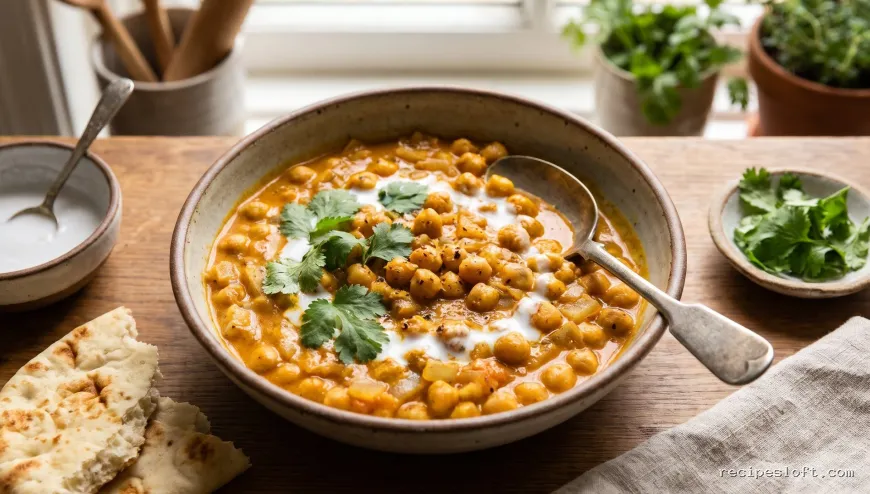
Cook this recipe
Creamy Chickpea Curry (One-Pot, 35 Minutes)
Instructions
Sauté the onion

Add garlic and ginger
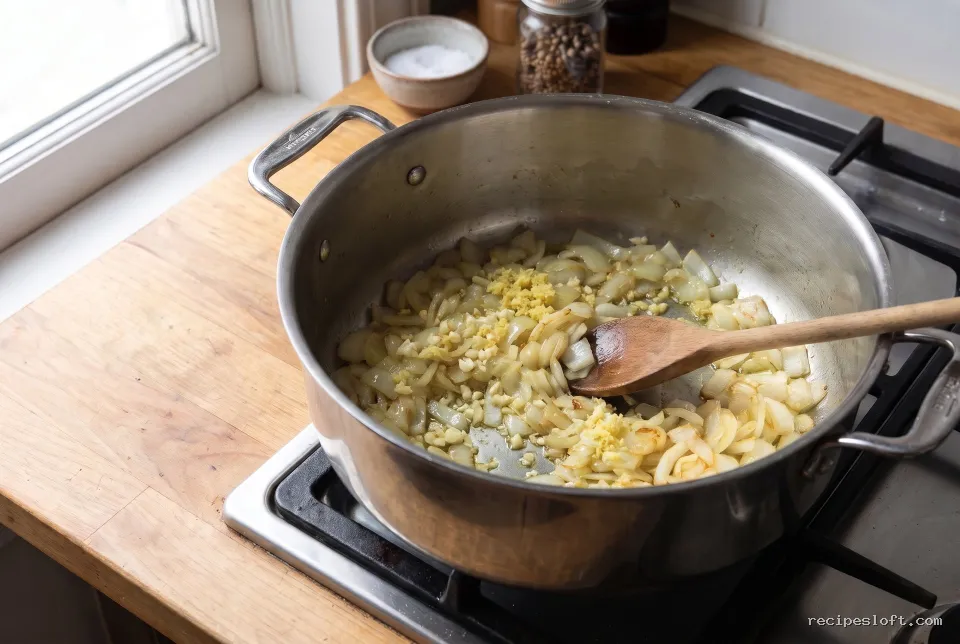
Bloom the spices
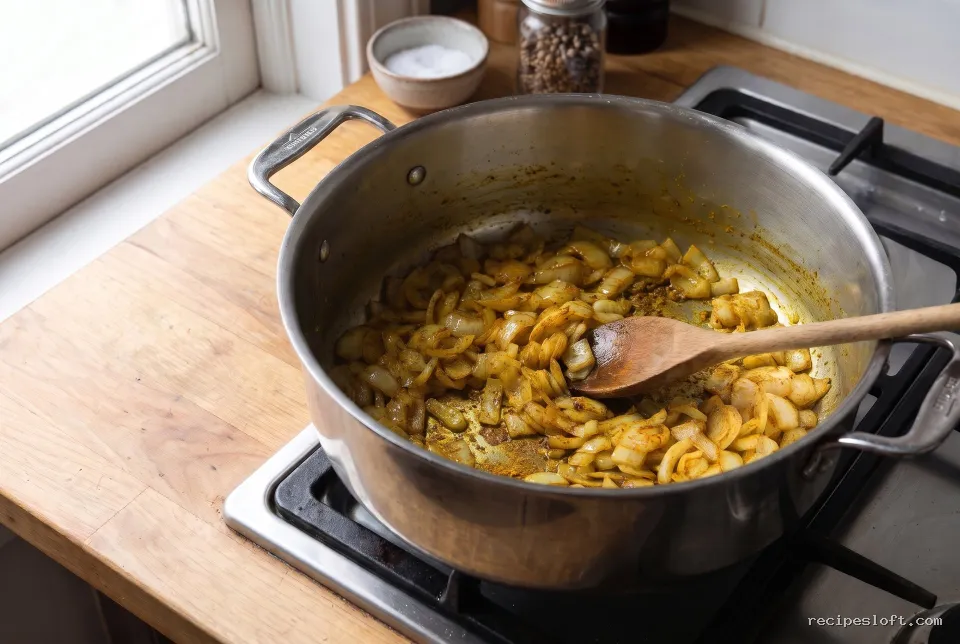
Add tomatoes and chickpeas
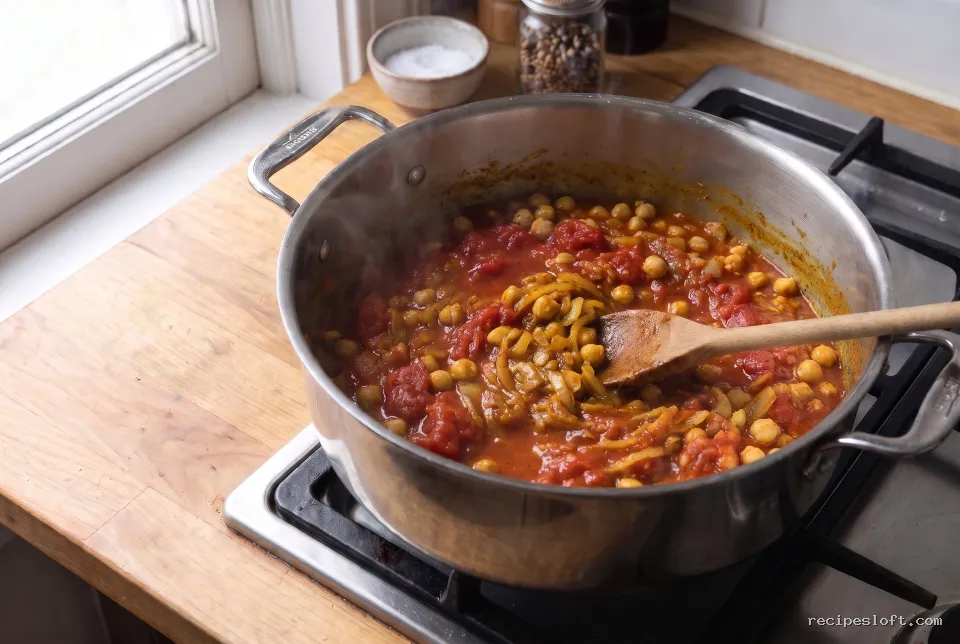
Add coconut milk and broth
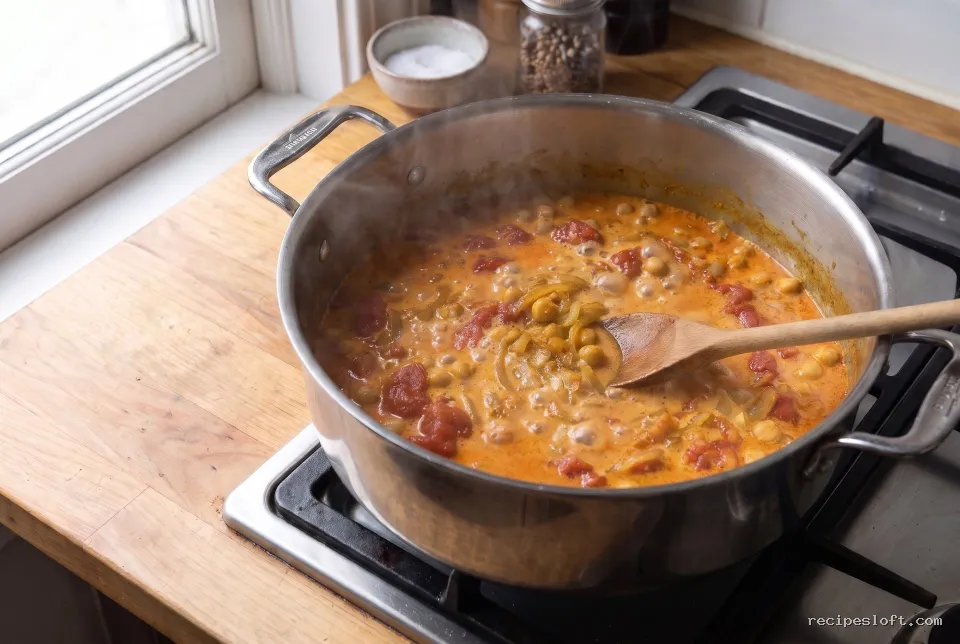
Simmer uncovered
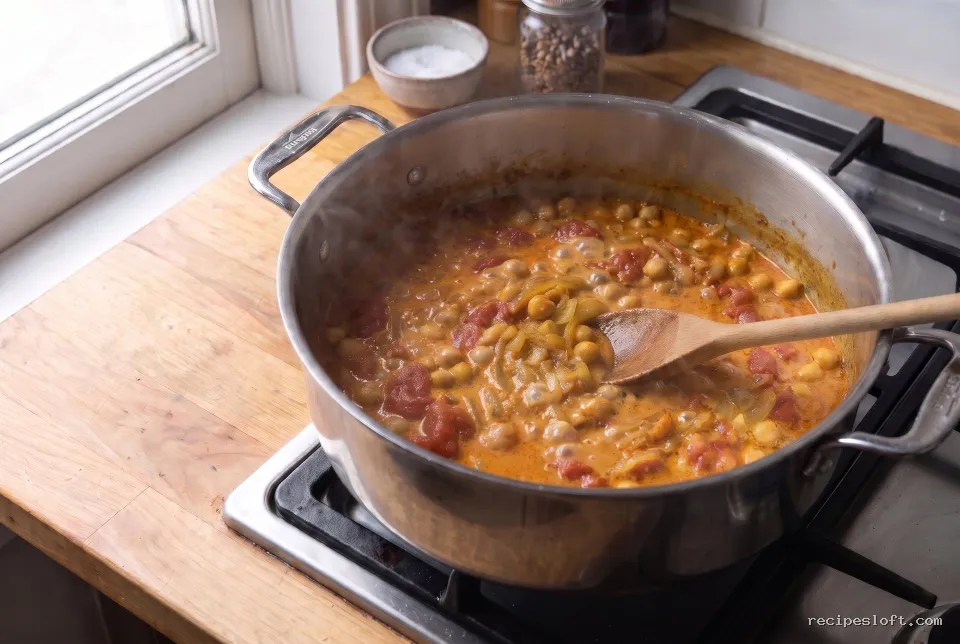
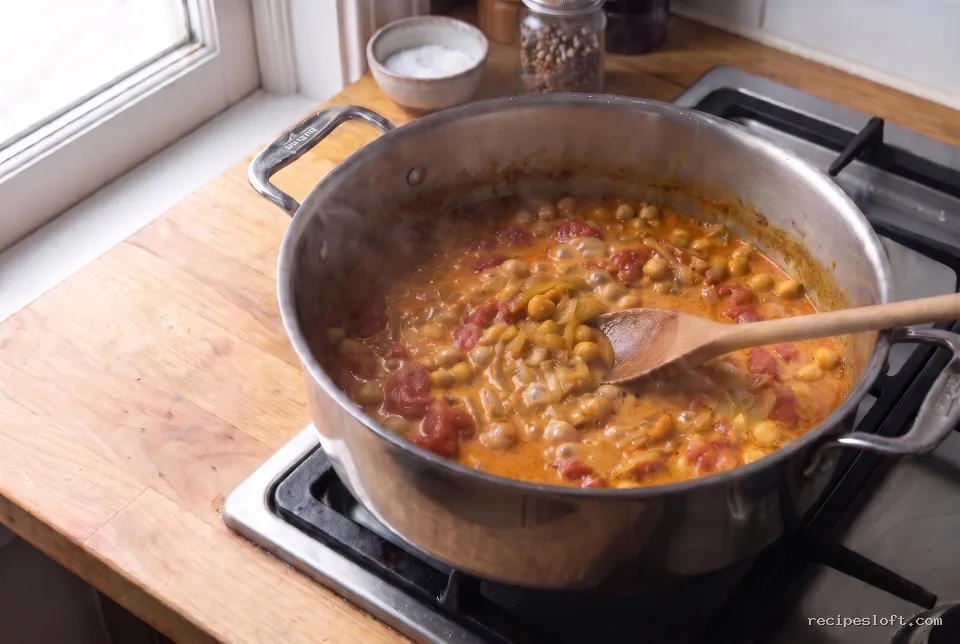
Season and finish
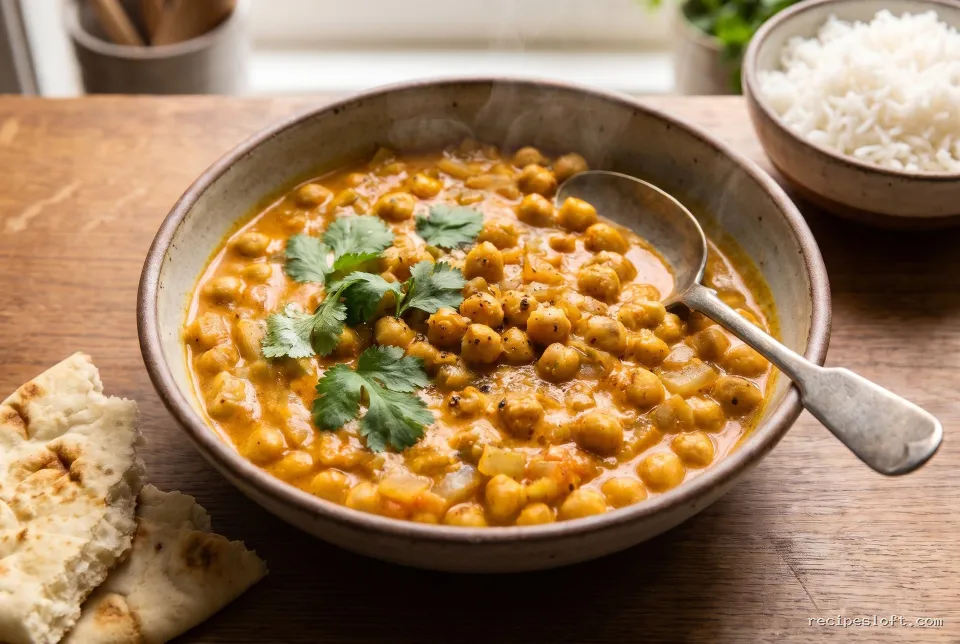
Serve
Share this recipe
Loved this recipe? Share it with someone who’ll enjoy it.
Cooking guide
Cooking tips and techniques
This chickpea curry is a one-pot vegetarian dinner made by simmering chickpeas in a spiced tomato-coconut sauce until thick and creamy. It comes together in about 35 minutes using pantry staples like canned chickpeas, crushed tomatoes, and coconut milk, and it reheats well for lunches throughout the week.
What Makes This Chickpea Curry So Creamy
The creaminess comes from two things working together: full-fat coconut milk and the natural starch in the chickpeas themselves. As the chickpeas simmer, some of them break down slightly and thicken the sauce, while the coconut milk adds body and rounds out the heat from the spices. Blooming the curry powder, cumin, coriander, and turmeric in oil before adding liquid is what gives the sauce its deep color and keeps the spices from tasting raw or dusty.
Substitutions for Chickpea Curry
This chickpea curry is flexible enough to adjust based on what's in your pantry. Swap crushed tomatoes for an equal amount of diced tomatoes if that's what you have, though the sauce will be slightly chunkier. Light coconut milk works in place of full-fat if you want a thinner sauce, but the curry will be less rich. Fresh spinach or chopped kale stirred in during the last few minutes of cooking adds color and nutrients without changing the cooking time. If you don't have curry powder, a mix of extra cumin, coriander, and a pinch of cayenne gets you close.
How to Prevent a Watery or Bland Chickpea Curry
Two mistakes cause most chickpea curry failures: skipping the spice bloom and simmering with the lid on the whole time. Toasting the spices in oil for 30-60 seconds before adding tomatoes wakes up their flavor; skip this step and the curry tastes flat no matter how much salt you add. If the sauce looks thin after simmering, remove the lid for the last 5-10 minutes so excess liquid can evaporate and the sauce can thicken naturally. Taste and adjust salt and lemon juice at the very end, since both chickpeas and canned tomatoes vary in sodium and acidity between brands.
Storing and Reheating Chickpea Curry
Let the curry cool before transferring it to an airtight container; it keeps well in the refrigerator for up to 4 days. For longer storage, freeze it in a freezer-safe container for up to 3 months and thaw overnight in the refrigerator before reheating. When reheating leftovers, warm the curry on the stovetop or in the microwave until it reaches 165°F (74°C) all the way through, stirring partway to heat it evenly. Add a splash of water or broth if the sauce has thickened too much in storage.
Serving Chickpea Curry for Dinner
Ladle this chickpea curry over steamed basmati rice or alongside warm flatbread to soak up the sauce. A side of cucumber salad or a simple yogurt-based raita balances the warmth of the spices, and a squeeze of fresh lemon juice at the table brightens every bowl. For more ideas on building out a full vegetarian dinner rotation, see our vegetarian dinner recipes.
Helpful answers
Frequently Asked Questions
How long does chickpea curry take to make?
This chickpea curry takes about 10 minutes to prep and 25 minutes to cook, for a total of roughly 35 minutes from start to finish.
Can I make chickpea curry ahead of time?
Yes, this curry stores well and can be made up to 4 days ahead and kept refrigerated in an airtight container, or frozen for up to 3 months.
What should I serve with chickpea curry?
Chickpea curry pairs well with steamed basmati rice, warm flatbread, or naan, along with a simple cucumber salad or yogurt-based raita to balance the spices.
Why is my chickpea curry watery?
A watery sauce usually means it needs more time simmering uncovered; removing the lid for the last 5-10 minutes of cooking lets excess liquid evaporate and thickens the sauce naturally.
From readers
Reviews
Cooked this? Tell other readers how it went.
Be the first to review this recipe
Keep cooking
