
Recipe collection
Tapioca Pudding (Classic and Creamy)
Tapioca pudding to try: Minute Tapioca Pudding, Large Pearl Tapioca Pudding, Slow Cooker Tapioca Pudding and more, with practical cooking tips.
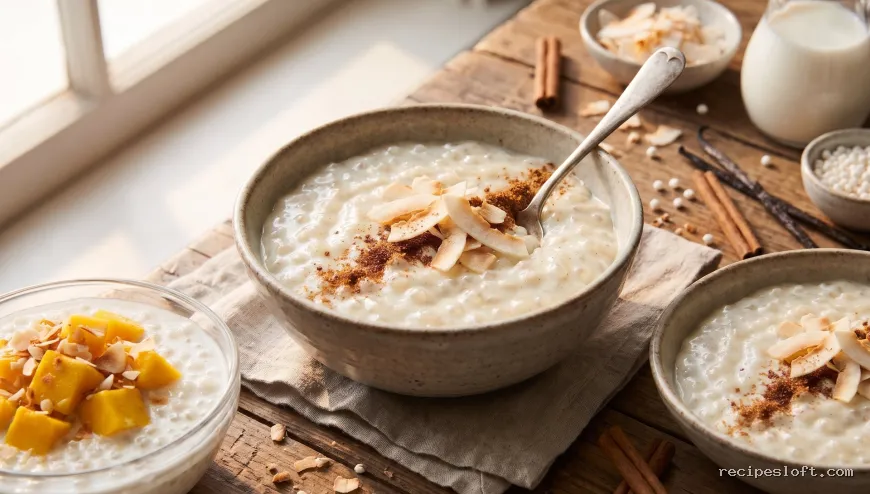
If you want pudding fast with a smooth texture and tiny soft specks, minute tapioca is the way to go. If you have time to simmer slowly and prefer chewy beads suspended in custard, large pearl tapioca suits you better, while a slow cooker version offers a hands-off method for those who'd rather not stand over a pot.
Tapioca pudding is one of those desserts everyone remembers a little differently — some grew up on the quick-cooking minute tapioca version, others on the chewier large pearl style their grandmother simmered on the stove for an hour. This guide exists to help you sort through those variations and land on the version that fits your time, your equipment, and your taste for texture.
Use this page as a map, not a single recipe. Below you'll find a framework for choosing between styles, an overview of the tapioca families covered in this collection, and practical guidance on cooking and storing pudding so it turns out creamy instead of gluey or watery. Each section links to a focused recipe built around one approach, so you can dig into whichever one matches what you're after.
How to Choose Your Tapioca Pudding Style
Three questions tend to settle which recipe is right for a given day: how much time do you have, what equipment do you want to use, and how chewy versus smooth do you want the final texture to be.
Time Available
If you need pudding in well under an hour, a quick-cooking tapioca version is the most direct route. If you're fine letting something simmer gently or run unattended for a few hours, slower methods open up more texture options.
Equipment on Hand
A stovetop pot is enough for most classic versions. If you'd rather not stand over a burner, a slow cooker lets the starch hydrate and thicken with minimal supervision. Either way, a heavy-bottomed pan or insert helps prevent scorching.
Texture Preference
Minute tapioca gives a smooth pudding with tiny soft specks throughout. Large pearl tapioca produces distinct chewy beads suspended in custard, which some people love and others find takes getting used to. Knowing which texture you actually enjoy will save you a disappointing batch.
The Tapioca Pudding Families in This Collection
Minute Tapioca Pudding
Built around quick-cooking tapioca granules, this is the fastest route to a classic, smooth pudding with minimal soaking or planning ahead. It's the version most people picture when they think of homemade tapioca pudding. See the full Minute Tapioca Pudding recipe for the step-by-step method.
Large Pearl Tapioca Pudding
This style uses the bigger, chewier pearls and requires soaking and a longer simmer to soften properly. The payoff is a pudding with real textural contrast — tender custard around firm little beads. Find the details in Large Pearl Tapioca Pudding.
Slow Cooker Tapioca Pudding
For a mostly hands-off approach, the slow cooker version lets the tapioca hydrate and the custard set gradually over low, steady heat. It's a good option if you'd rather not babysit a pot on the stove. Walk through it in Slow Cooker Tapioca Pudding.
Coconut Milk Tapioca Pudding
Swapping some or all of the dairy for coconut milk changes both the flavor and the richness of the pudding, giving it a tropical, slightly sweeter profile. Explore the method in Coconut Milk Tapioca Pudding.
Tapioca Pearl Desserts Beyond Pudding
Tapioca pearls show up in more than just pudding — think layered parfaits, fruit-topped bowls, and other spoonable desserts that use the same chewy pearls in different formats. Browse the ideas in Tapioca Pearl Desserts.
Preparing Tapioca Pudding: Practical Guidance
Soaking and Hydration
Large pearls generally benefit from soaking in liquid before cooking, which softens them and shortens the simmer time. Minute tapioca skips this step entirely, which is part of why it cooks so much faster.
Avoiding a Gluey or Thin Result
Pudding that turns out too thick usually sat too long over heat or had too little liquid to begin with; it often firms up further as it cools, so slightly loose at the end of cooking is normal. Pudding that stays thin may need a few more minutes of gentle simmering, since the starch needs sustained heat to fully thicken.
Incorporating Eggs Smoothly
If a recipe includes eggs for richness, temper them by whisking in a small amount of the hot liquid first before adding them back to the pot. This prevents scrambling and keeps the pudding silky.
Storing and Serving Tapioca Pudding
Refrigeration
Cooked tapioca pudding keeps well covered in the refrigerator for a few days. Press a piece of plastic wrap directly against the surface if you want to prevent a skin from forming.
Reheating and Serving Cold
Many people prefer tapioca pudding served chilled or at room temperature, straight from the fridge. If you'd rather warm it, do so gently and stir in a splash of milk, since the pudding thickens considerably once cold.
Conclusion
Whether you're after a fast weeknight dessert or a slow-simmered weekend project, the right tapioca pudding comes down to matching the method to your time and texture preferences. Start with the style that fits your day from the families above, and keep the storage tips in mind so every batch holds up well after it's made.
Cook next
Recipes in this guide
Explore the recipes that turn this guide into a practical cooking plan.


Helpful answers
Frequently asked questions
What is the difference between minute tapioca and pearl tapioca?
Minute tapioca is made of small, pre-cooked granules that dissolve quickly and give a smooth pudding texture, while pearl tapioca consists of larger, raw starch balls that need soaking and longer cooking to become tender and chewy.
Why did my tapioca pudding turn out lumpy?
Lumps usually form when the tapioca or egg mixture is added too quickly to hot liquid, or when the pudding isn't stirred consistently while it heats. Steady, gentle stirring throughout cooking helps keep everything evenly distributed.
Can tapioca pudding be made without eggs?
Yes, many tapioca pudding recipes rely on milk and sugar alone for richness and don't include eggs at all; the pudding will be slightly less custardy but still creamy.
How long does tapioca pudding last in the refrigerator?
Stored in a covered container, tapioca pudding typically keeps for a few days in the refrigerator, though exact timing can vary depending on the specific ingredients used.
Does tapioca pudding thicken more as it cools?
Yes, tapioca pudding continues to thicken significantly as it cools, so it's normal for it to look thinner than expected right after cooking.