
Mashed Potatoes with Broth: Why Broth Beats Water
Creamy mashed potatoes simmered in chicken or vegetable broth instead of water, giving them savory depth that plain water-boiled potatoes don't have.
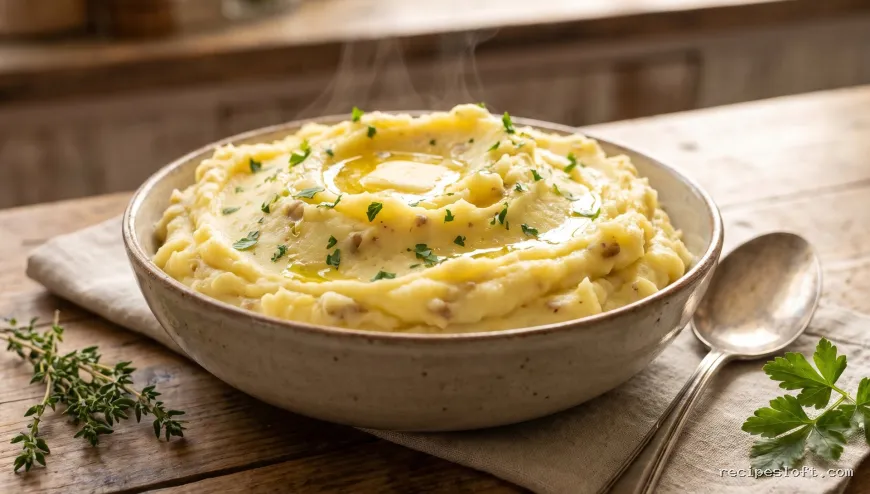
Cook this recipe
Mashed Potatoes with Broth: Why Broth Beats Water
Instructions
Prep the potatoes
Simmer in broth
Drain and reserve liquid
Mash the potatoes
Season and serve
Share this recipe
Loved this recipe? Share it with someone who’ll enjoy it.
Cooking guide
Cooking tips and techniques
Swapping water for broth when you make mashed potatoes broth-style means the potatoes absorb savory flavor as they cook, so the finished mash tastes richer without extra butter or salt. The broth also seasons the potatoes from the inside out, which is why this method shows up in so many holiday kitchens.
Explore more practical ideas in our side dish recipes.
Why Mashed Potatoes Broth Tastes Richer Than Water-Boiled Potatoes
Potatoes are porous, so whatever liquid they simmer in gets pulled into the flesh as they cook. When that liquid is chicken or vegetable broth instead of plain water, the potatoes pick up savory depth before you ever add butter or milk. This is the main reason the mashed potatoes broth method has a loyal following: the seasoning happens during cooking, not just at the end.
Choosing the Right Broth for Mashed Potatoes
Chicken broth and vegetable broth both work well, and the right choice depends on what you're serving alongside the potatoes. Chicken broth adds a savory, slightly rounder flavor that pairs naturally with roasted poultry or beef dishes, while vegetable broth keeps things lighter and is the better pick if you want the potatoes to stay fully plant-based. Low-sodium broth is worth seeking out either way, since you can always add salt later but can't easily remove it once the potatoes have absorbed a salty liquid.
Using Reserved Broth Instead of Milk
After draining the potatoes, save a cup or so of the cooking broth before you discard it. This reserved broth can replace some or all of the warm milk when you mash, which keeps the dish dairy-light if needed and reinforces the savory flavor even further. Add it a few tablespoons at a time so the potatoes don't turn thin or gluey.
Getting the Texture Right in Broth-Cooked Mashed Potatoes
The potato variety and how finely you mash still matter more than the cooking liquid. Starchy potatoes like Russets or Yukon Golds break down into a fluffy texture, while waxy potatoes tend to turn gummy when mashed. Drain the potatoes well before mashing, since excess liquid clinging to the pieces can make the final mash loose even if you measure the added broth and milk carefully.
Storing and Reheating Mashed Potatoes with Broth
Store leftover mashed potatoes in an airtight container in the refrigerator and use them within 3 to 4 days. When reheating, warm the potatoes gently on the stovetop or in the microwave, stirring in a splash of broth or milk to restore creaminess, and reheat them to an internal temperature of 165°F (74°C) before serving. Mashed potatoes don't hold up well in the freezer long-term, since the texture can turn grainy once thawed, so refrigeration is the more reliable option for short-term storage.
Serving Ideas for Broth-Based Mashed Potatoes
Because the broth already builds savory flavor into the potatoes, this version pairs especially well with gravy-topped mains, roasted chicken, or beef pot roast, where the flavors echo each other. If you're deciding what else to put on the table, the guide to side dish recipes: a complete guide to choosing the right one can help you round out the rest of the meal.
Helpful answers
Frequently Asked Questions
Can I use water instead of broth?
Yes, but the potatoes will taste more neutral; broth adds savory flavor directly into the potatoes as they cook, which plain water cannot do.
Does it matter if I use chicken broth or vegetable broth?
Chicken broth gives a rounder, savory flavor that pairs well with meat-based mains, while vegetable broth keeps the dish lighter and plant-based; both work well for cooking the potatoes.
How should I store and reheat leftover mashed potatoes?
Keep leftovers in an airtight container in the refrigerator for 3 to 4 days, and reheat them on the stovetop or microwave with a splash of broth or milk until they reach an internal temperature of 165°F (74°C).
Can I freeze mashed potatoes made with broth?
Freezing is not ideal since the texture can turn grainy after thawing, so refrigerating and using leftovers within a few days is the more reliable option.
From readers
Reviews
Cooked this? Tell other readers how it went.
Be the first to review this recipe
Keep cooking
Related recipes and guides

Recipe collection
Side Dish Recipes: A Complete Guide to Choosing the Right One
Easy side dish recipes for any dinner: maple sweet potatoes, garlic zucchini, glazed carrots, Mexican corn, roasted asparagus and lemon orzo, plus tips.

Sweet Potato Casserole with Cream Cheese
