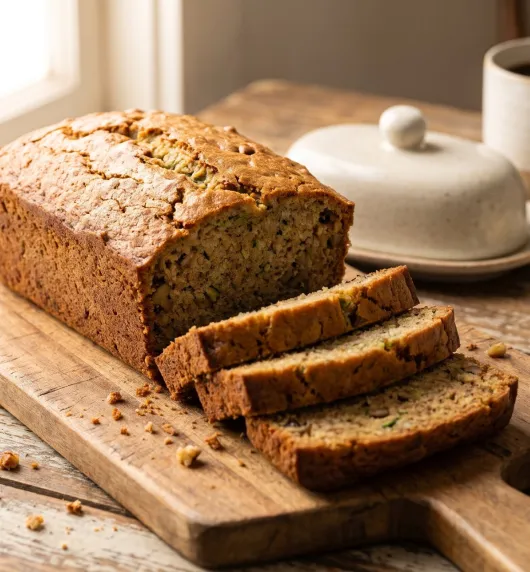
Low-Sodium Banana Bread
A moist, naturally sweet banana bread made without any added salt, relying on ripe bananas, unsalted butter, and cinnamon for flavor.
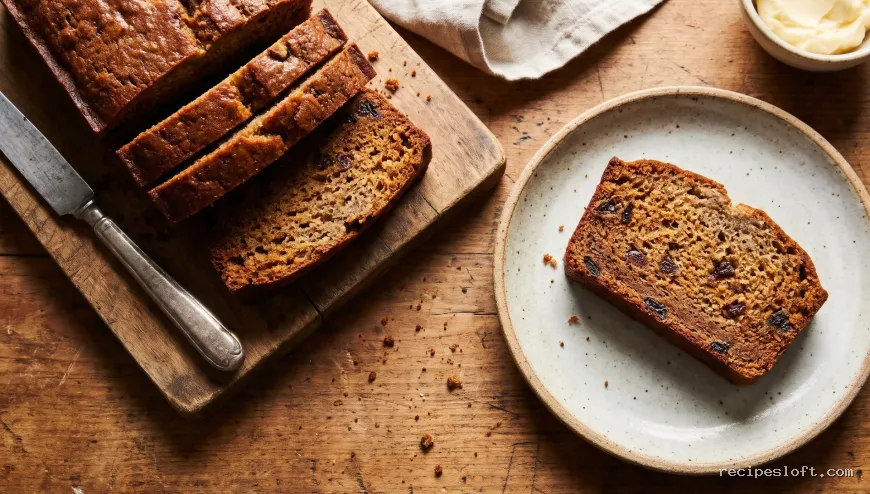
Cook this recipe
Low-Sodium Banana Bread
Instructions
Preheat and prepare the pan
Mix the wet ingredients
Combine the dry ingredients
Fold wet and dry together
Add walnuts if using
Bake the loaf
Cool before slicing
Share this recipe
Loved this recipe? Share it with someone who’ll enjoy it.
Cooking guide
Cooking tips and techniques
This low salt banana bread recipe skips added table salt entirely and relies on ripe bananas, unsalted butter, and warm cinnamon for flavor, so each slice carries far less sodium than a typical quick bread while staying moist and tender.
What Makes This Low Salt Banana Bread Recipe Work
The sodium in most banana bread comes from added table salt and salted butter, both of which this recipe removes. The only sodium that remains comes from a small amount of baking soda, which is needed to help the loaf rise and cannot be fully eliminated without changing the texture of the bread. Using very ripe, well-mashed bananas also boosts natural sweetness, so you don't need extra flavor boosters like salt to balance the taste.
Choosing Ingredients to Keep Sodium Low
Stick with unsalted butter rather than salted, since salted butter alone can add a meaningful amount of sodium to the finished loaf. Choose plain all-purpose flour and baking soda rather than self-rising flour, which already contains salt. If you want to reduce sodium even further, look for a reduced-sodium baking powder at the store and use it in place of standard baking soda, following the product's recommended substitution ratio, since baking powder and baking soda are not interchangeable one-to-one.
Substitutions and Add-Ins for Low-Sodium Banana Bread
Walnuts or pecans are optional and add crunch without affecting sodium content, since raw nuts are naturally low in sodium. You can swap the sugar for honey in a similar quantity if you prefer, though this will make the batter slightly wetter and may add a minute or two to the bake time. Whole wheat flour can replace up to half of the all-purpose flour for a heartier texture, but using all whole wheat flour will make the loaf denser and drier.
Preventing a Dense or Gummy Loaf
Overmixing the batter once the flour is added is the most common cause of a tough, gummy low-sodium banana bread, so stir just until the dry streaks disappear. Bananas that are fully ripe, with heavily speckled or even blackened peels, mash more smoothly and add more natural sweetness than firmer, yellow bananas. Make sure your loaf pan is the size specified; a pan that's too small will leave the center underbaked while the edges overcook.
Storing and Reheating Low-Sodium Banana Bread
Let the loaf cool completely before wrapping it tightly in plastic wrap or placing it in an airtight container, then store it at room temperature for up to 3 days or in the refrigerator for up to a week. For longer storage, slice the cooled loaf and freeze the pieces in a freezer bag for up to 3 months. To reheat frozen or refrigerated slices, warm them in a 165°F (74°C) oven or toaster oven until heated through.
Serving Low-Sodium Banana Bread
Serve slices plain, or lightly toasted with a thin layer of unsalted nut butter for breakfast. This loaf also pairs well with fresh fruit or a cup of coffee as a simple snack. If you want to explore more variations and techniques beyond this low-sodium version, see the ultimate banana bread guide for additional tips.
Helpful answers
Frequently Asked Questions
Can I remove the baking soda to make this banana bread completely salt-free?
Baking soda contributes a small amount of sodium and is needed to help the loaf rise properly, so removing it entirely will likely result in a flat, dense loaf. If you want to reduce sodium further, try substituting a reduced-sodium baking powder following the product's recommended ratio instead.
How long does low-sodium banana bread stay fresh?
Stored in an airtight container, it stays fresh at room temperature for up to 3 days or in the refrigerator for up to a week.
Can I freeze this banana bread?
Yes, slice the cooled loaf and freeze the pieces in a freezer bag for up to 3 months, then reheat slices in a 165°F (74°C) oven or toaster oven until warmed through.
Can I use salted butter instead of unsalted?
Using salted butter will add noticeable sodium to the loaf, so unsalted butter is recommended to keep this recipe low in sodium.
From readers
Reviews
Cooked this? Tell other readers how it went.
Be the first to review this recipe
Keep cooking