
Make-Ahead Breakfast Casserole (Assemble Tonight, Bake Tomorrow)
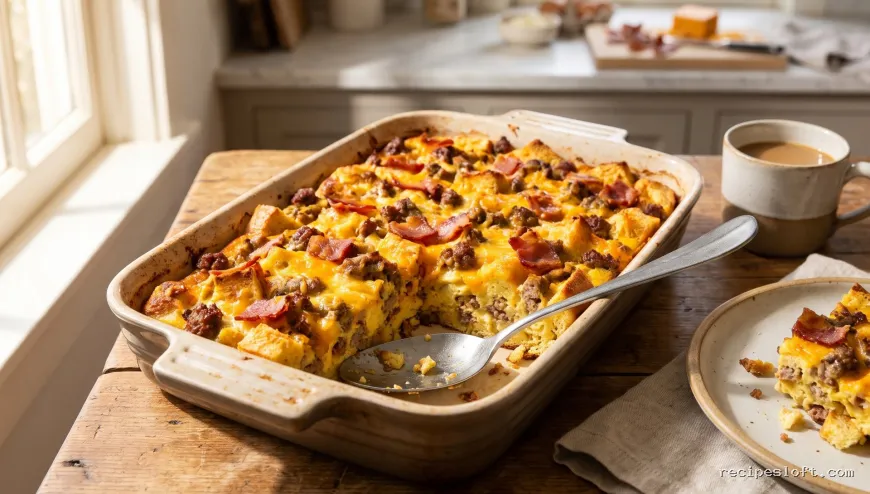
A make ahead breakfast casserole with beef sausage, turkey bacon, bread, eggs, and cheddar cheese, assembled the night before and baked fresh in the morning.
Cook this recipe
Make-Ahead Breakfast Casserole (Assemble Tonight, Bake Tomorrow)
Instructions
Cook the beef sausage and turkey bacon

Layer the casserole

Mix the egg custard
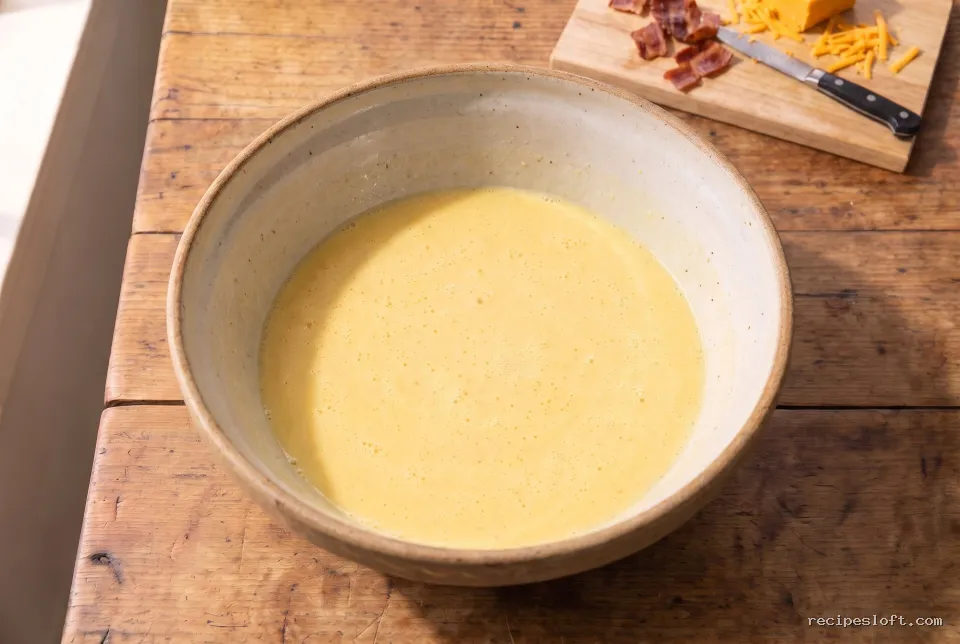
Assemble and refrigerate
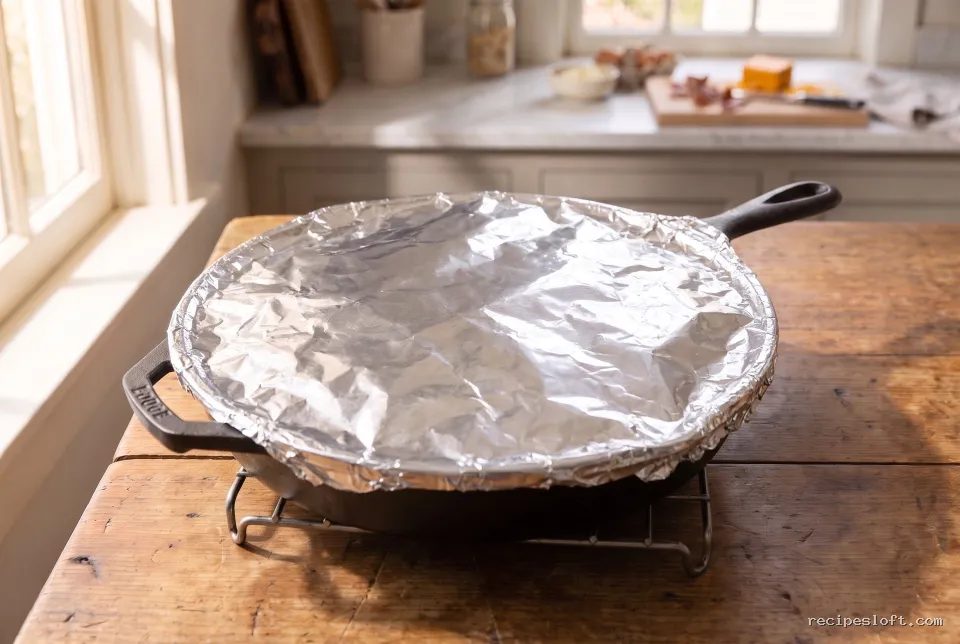
Rest and preheat
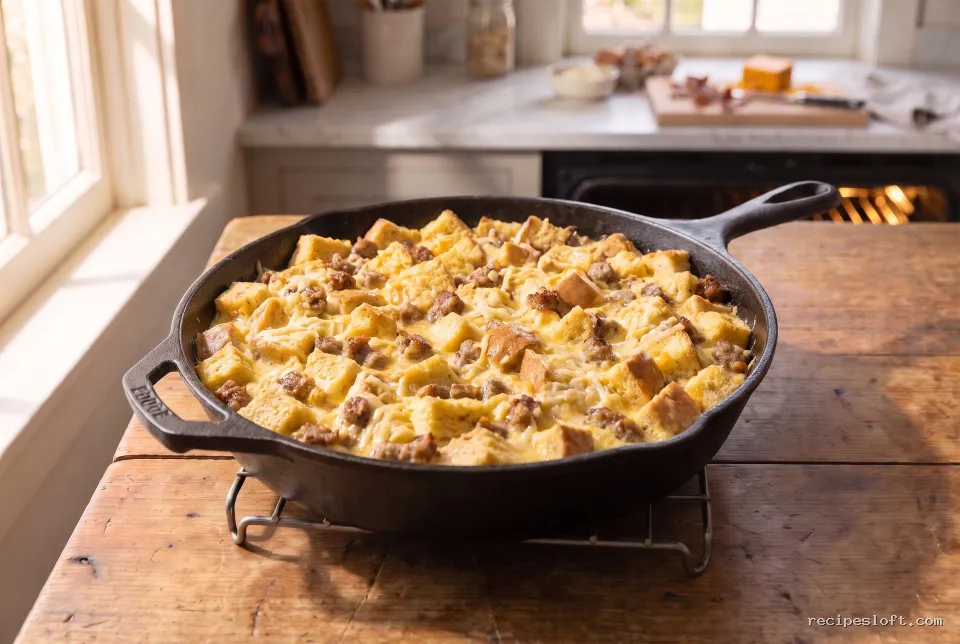
Bake the casserole
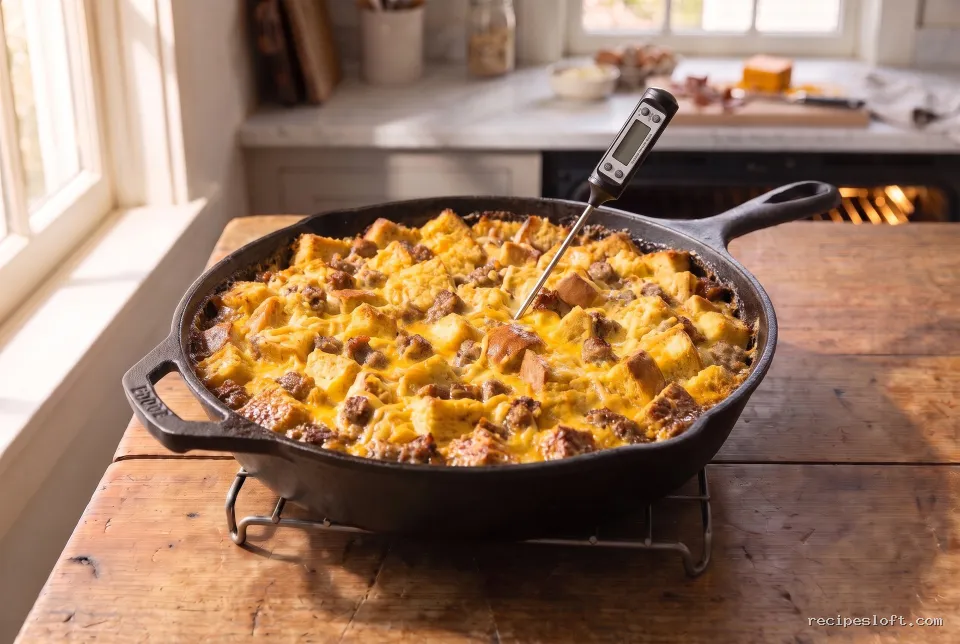
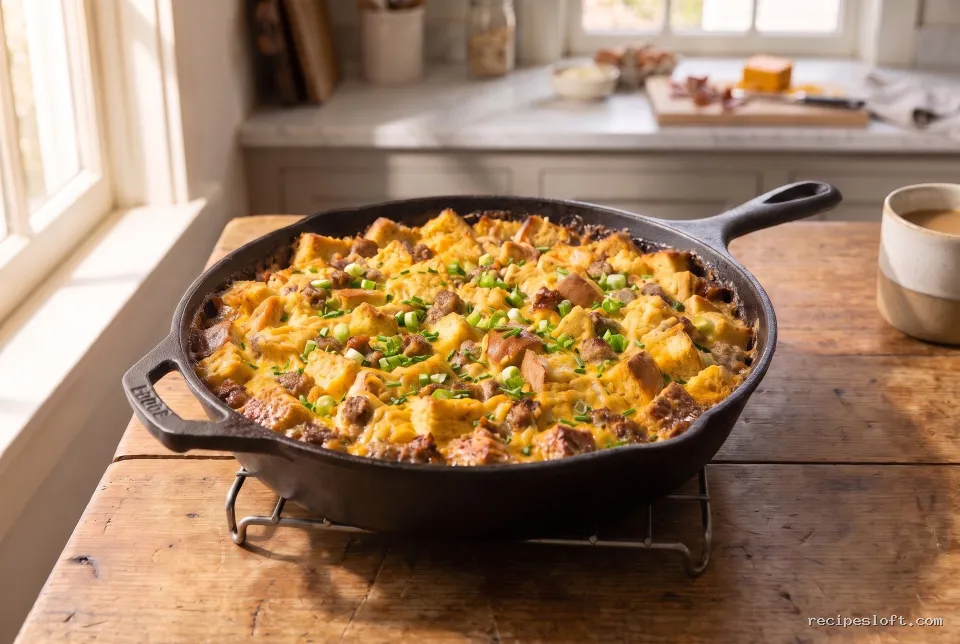
Rest and serve
Share this recipe
Loved this recipe? Share it with someone who’ll enjoy it.
Cooking guide
Cooking tips and techniques
A make ahead breakfast casserole is simply a layered egg, meat, and cheese bake that you assemble the night before and refrigerate, then bake fresh in the morning without any last-minute prep. This version uses beef breakfast sausage, turkey bacon, bread cubes, eggs, milk, and cheddar cheese, and it holds in the fridge for up to 24 hours before baking. For more breakfast bake ideas and techniques, see our breakfast casserole recipes.
Why This Make Ahead Breakfast Casserole Works
The bread cubes soak up the egg-and-milk mixture overnight, so by morning they've absorbed enough liquid to bake into a soft, custardy texture instead of a soggy or dry one. Browning the beef sausage and turkey bacon before assembling removes excess moisture, which keeps the finished casserole from turning watery. Resting the assembled dish in the refrigerator also lets the bread fully hydrate, so the center sets evenly instead of staying runny in the middle while the edges overcook.
Overnight Breakfast Casserole vs. Same-Day: What Changes
The only real difference between an overnight breakfast casserole and a same-day version is timing, not ingredients. If you're baking the same day, you can assemble and bake right away with a slightly shorter soak, but the texture will be a bit less custardy since the bread hasn't had hours to absorb the egg mixture. For the best texture, build it the night before, cover tightly, and refrigerate for at least 8 hours and up to 24 hours before baking.
Ingredient Substitutions for Make Ahead Breakfast Casserole Recipes
This recipe is flexible enough to adjust based on what's in your fridge. Swap the beef breakfast sausage for ground chicken sausage if you prefer a leaner option, and use smoked turkey instead of turkey bacon for a smokier flavor without extra crisping. Day-old French bread, croissants, or plain bagels all work in place of sandwich bread, and you can swap cheddar for Monterey Jack, mozzarella, or a Mexican cheese blend. If you like vegetables in your casserole, sauté diced bell peppers, onions, or spinach first to cook off their moisture before layering them in.
Preventing a Soggy or Undercooked Center
Two mistakes cause most casserole failures: too much liquid and too little bake time. Stick to the exact egg-to-milk ratio in the recipe, squeeze excess moisture from any sautéed vegetables before adding them, and let the casserole sit at room temperature for 15-20 minutes after pulling it from the fridge so it bakes more evenly. Always check doneness with an instant-read thermometer in the center rather than relying on bake time alone, since oven temperatures vary.
Storing and Reheating Make-Ahead Breakfast Casserole
Store leftover baked casserole covered in the refrigerator for up to 4 days. For longer storage, wrap individual portions tightly and freeze for up to 2 months, then thaw overnight in the refrigerator before reheating. When reheating leftovers, warm them in the oven or microwave until they reach 165°F (74°C) all the way through, checking with an instant-read thermometer in the thickest part of the portion.
Serving Ideas for a Make Ahead Breakfast Casserole
This casserole is hearty enough to serve on its own, but it pairs well with fresh fruit, a simple green salad, or warm biscuits for a brunch spread. For holidays or overnight guests, bake it directly from the refrigerator in the morning so it's ready while coffee brews, making it one of the easier make ahead breakfast casserole recipes to build a whole brunch menu around.
Safe internal temperatures in this recipe follow the FoodSafety.gov safe minimum internal temperature chart.
Helpful answers
Frequently Asked Questions
Can I assemble this make ahead breakfast casserole more than a day in advance?
Refrigerate the assembled casserole for up to 24 hours before baking; beyond that, the bread can become overly soft and the texture may suffer.
Can I freeze an overnight breakfast casserole before baking?
This recipe is designed for a refrigerator rest of up to 24 hours before baking; for longer storage, bake it first, then freeze individual portions for up to 2 months and reheat to 165°F (74°C) before serving.
What can I use instead of bread in make ahead breakfast casserole recipes?
Day-old French bread, croissants, or plain bagels all work well in place of sandwich bread, since they hold up to soaking in the egg mixture overnight.
How do I know when the casserole is fully cooked?
Check the center with an instant-read thermometer; it's done once it reaches 160°F (71°C) and the top is golden brown.
From readers
Reviews
Cooked this? Tell other readers how it went.
Be the first to review this recipe
Keep cooking
Related recipes and guides

Recipe collection
Breakfast Casserole Recipes: A Complete Guide
Breakfast casserole recipes for every morning: hash brown, tater tot, make-ahead, Christmas, crescent roll and veggie egg bakes, with storage tips.

