
Recipe collection
Breakfast Casserole Recipes: A Complete Guide
Breakfast casserole recipes for every morning: hash brown, tater tot, make-ahead, Christmas, crescent roll and veggie egg bakes, with storage tips.
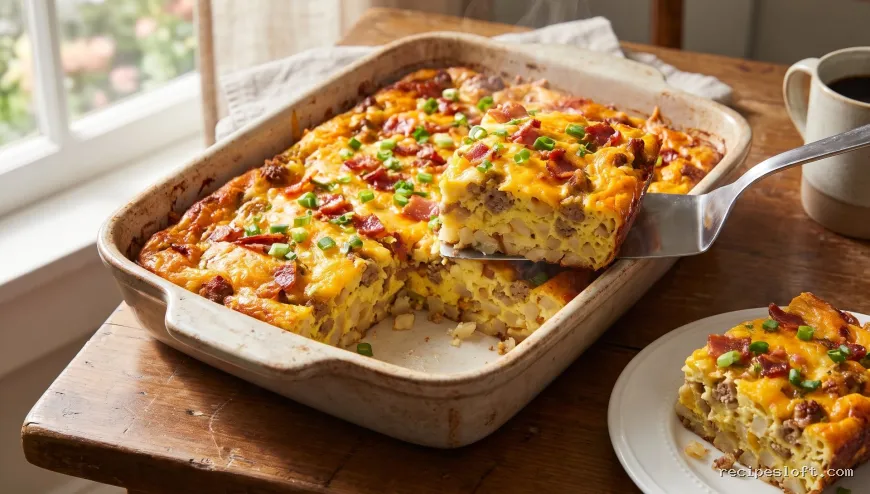
Choosing a breakfast casserole comes down to occasion and time. For a hurried weekday, pick an egg and vegetable bake made from pantry staples. For a holiday brunch or feeding a crowd, choose a bread, biscuit, or croissant casserole assembled the night before, since it holds up well on a buffet table.
This collection of breakfast casserole recipes helps you figure out which bake fits your morning, whether you're feeding a sleepy weekday household, hosting a holiday brunch, or prepping meals for a busy week ahead. Instead of scrolling through dozens of unrelated dishes, you'll find a simple framework for narrowing down options by texture, protein, and make-ahead needs, plus links to the specific recipe families covered on this site.
In this guide: Hashbrown Breakfast Casserole, Tater Tot Breakfast Casserole, Make-Ahead Breakfast Casserole, Christmas Breakfast Casserole, Breakfast Casserole with Crescent Rolls, Egg and Potato Casserole and Veggie Egg Bake.
Use this guide as a starting point before you click into any single recipe. Read the choice framework to match a casserole style to your occasion, skim the family breakdowns to see what each style actually involves, then check the storage and prep section so your dish turns out well whether you bake it fresh or assemble it the night before.
How to Choose the Right Breakfast Casserole
Not every breakfast casserole suits every occasion. Before picking a recipe, think through three questions: how many people are you feeding, how much time do you have on the morning of serving, and do you need the dish to hold well on a buffet table.
Matching the Dish to the Occasion
A weeknight casserole should come together with pantry staples and minimal chopping, since the goal is getting something warm on the table before everyone leaves the house. A holiday or brunch-party casserole can afford more steps the night before, since you're trading evening prep time for a calmer morning. Potluck or feeding-a-crowd situations call for recipes that cut into neat squares and stay warm in a covered dish for an hour or more without drying out.
Matching the Dish to Dietary Needs
Egg-based bakes are naturally lower in added carbohydrates, while bread, biscuit, and croissant versions lean heartier and more indulgent. If you're cooking for a mixed group, consider a vegetable-forward egg bake alongside a sweeter bread bake so there's an option for different appetites.
Breakfast Casserole Recipes by Style
The recipes in this collection fall into a handful of distinct styles. Understanding the differences helps you pick the right one rather than guessing from a photo.
Egg and Vegetable Bakes
These casseroles use eggs as the base, bulked up with vegetables like bell peppers, spinach, or hash browns, and often a layer of cheese on top. They're a solid choice when you want a protein-forward dish that isn't overly sweet, and they tend to reheat well for a few days afterward.
Bread, Biscuit, and Croissant Casseroles
Built on cubed bread, torn biscuits, or croissants soaked in an egg custard, these casseroles have a richer, more bread-pudding-like texture. They're especially suited to make-ahead assembly, since the bread needs time to absorb the custard before baking.
Sweet French Toast Style Bakes
These swap savory fillings for cinnamon, vanilla, and fruit, turning the classic French toast into a baked, sliceable dish. They work well for brunches where you want something closer to dessert on the breakfast table.
Grain and Oatmeal Bakes
Baked oatmeal and grain-based casseroles offer a lighter, less egg-heavy alternative. They're a useful option when you want a warm breakfast that isn't centered on eggs or bread, and they tend to be easy to portion into individual servings.
Make-Ahead and Storage Guidance
Most breakfast casseroles benefit from some advance planning, which is part of why they're popular for holidays and busy weeks.
Assembling the Night Before
Bread and biscuit-based casseroles generally handle overnight refrigeration best, since the soaking time improves the texture. Egg and vegetable bakes can also be assembled ahead, but it helps to keep any crunchy toppings separate until just before baking so they don't turn soggy.
Storing and Reheating Leftovers
Cooked casseroles typically keep well in the refrigerator for a few days when covered tightly. Reheat individual portions in the oven or toaster oven rather than the microwave if you want to preserve some texture on top, though the microwave is the faster option for a quick single serving.
Freezing Considerations
Egg-based casseroles can change texture slightly after freezing and thawing, becoming a bit more watery, so they're best enjoyed fresh or refrigerated rather than frozen for long stretches. Bread-based bakes tend to freeze a bit more predictably since the structure holds up better.
Tips for Feeding a Crowd
When a casserole needs to serve a larger group, a few adjustments make the morning easier. Choose a recipe that scales cleanly in a standard 9x13-inch dish, and consider doubling into two pans rather than one oversized dish, since two pans often bake more evenly. Keep serving utensils and plates near the casserole dish so the line moves quickly, and if you're serving multiple styles, offer at least one egg-based option and one bread-based option to cover different preferences.
Cook next
Recipes in this guide
Explore the recipes that turn this guide into a practical cooking plan.


Helpful answers
Frequently asked questions
What is the difference between a breakfast casserole and a strata?
A strata is technically a specific type of bread-based breakfast casserole where cubed bread is layered with cheese and other fillings, then soaked in an egg custard before baking. The broader term "breakfast casserole" covers strata-style dishes as well as egg-and-vegetable bakes, hash brown bakes, and sweet French toast style casseroles.
Can I assemble a breakfast casserole the night before baking?
Yes, many breakfast casserole recipes are designed to be assembled ahead and refrigerated overnight, then baked fresh in the morning. This is especially common with bread, biscuit, and croissant-based casseroles, since the extra soaking time improves the final texture.
How long does a baked breakfast casserole last in the refrigerator?
A fully cooked breakfast casserole generally keeps well for a few days when stored in the refrigerator in a covered container or wrapped tightly. Always check that it has cooled before covering and refrigerating to help it stay fresh longer.
Do breakfast casseroles freeze well?
It depends on the style. Bread-based casseroles tend to hold their texture reasonably well after freezing and thawing, while egg-heavy casseroles can turn slightly watery once thawed, so they're often better suited to refrigeration rather than long-term freezing.
What size dish is standard for a breakfast casserole recipe?
Most breakfast casserole recipes are written for a standard 9x13-inch baking dish, which typically serves eight to twelve people depending on portion size. For smaller households, many recipes can be halved into an 8x8-inch dish with an adjusted bake time.