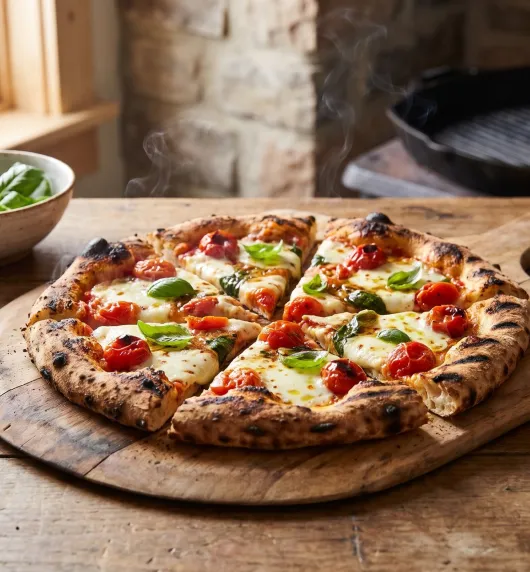
Brick Oven Pizza Dough: The Secret to a Crisp, Chewy Crust at Home
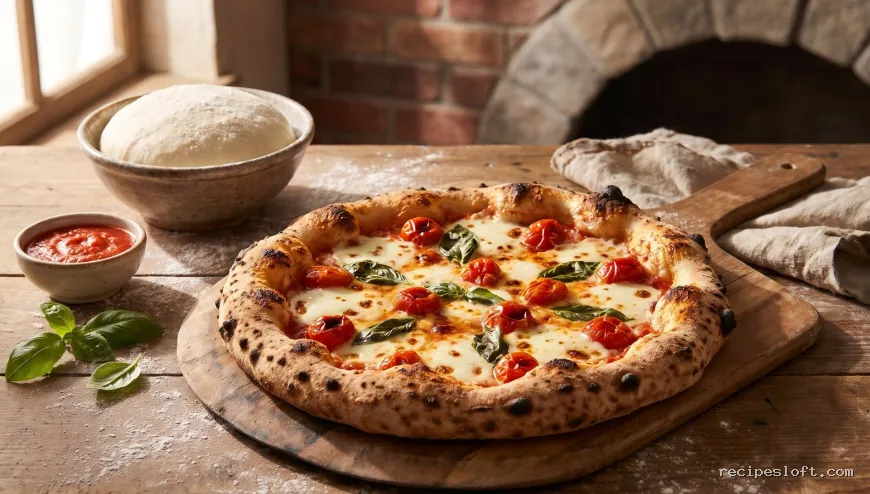
This brick oven pizza dough recipe uses a long, slow refrigerator rise to develop a chewy, airy crumb and a crisp, blistered crust when baked on a hot stone or steel, mimicking the intense heat of a true brick oven.
Cook this recipe
Brick Oven Pizza Dough: The Secret to a Crisp, Chewy Crust at Home
Instructions
Mix the dough
Knead the dough
First rise
Divide and cold ferment
Bring to room temperature
Preheat the oven and stone
Shape the dough
Top and launch the pizza
Bake
Rest and slice
Share this recipe
Loved this recipe? Share it with someone who’ll enjoy it.
Cooking guide
Cooking tips and techniques
Brick oven pizza dough gets its signature chewy-crisp texture from a high-hydration dough, a long slow rise, and very high heat that mimics the blast of a wood-fired or brick oven. You can recreate that same texture in a home oven by stretching the dough thin, preheating a baking stone or steel until it's screaming hot, and baking quickly at the highest temperature your oven allows.
What Makes Brick Oven Pizza Dough Different
True brick oven pizza dough is built around a simple ratio of flour, water, yeast, and salt, but the magic comes from technique rather than extra ingredients. A long, slow fermentation (often 24 hours or more in the refrigerator) develops flavor and gluten strength, while the intense, even heat of a brick oven—often 700°F (370°C) or higher—sets the crust in minutes, giving it a blistered, leopard-spotted exterior and an airy, chewy interior. At home, you won't match a true brick oven's heat exactly, but a baking stone or steel preheated for a full hour gets remarkably close.
Ingredient Behavior in Brick Oven Pizza Crust
Each ingredient in a brick oven pizza crust has a specific job. Bread flour or '00' flour provides the protein needed for a chewy, structured bite; all-purpose flour works too but yields a slightly softer crust. Water hydrates the flour and activates gluten development—higher hydration doughs (closer to 65-70% water by weight) produce a more open, airy crumb typical of brick oven-style pizza. Yeast provides the rise and flavor development during fermentation, and salt tightens gluten structure while controlling yeast activity so the dough doesn't over-ferment too quickly. A small amount of olive oil adds tenderness and helps the crust brown.
Achieving a Brick Oven Style Crust at Home
The closest you can get to true brick oven pizza dough results at home is by preheating your baking surface for a full hour before baking. A pizza stone or steel placed on the oven's top rack, with the oven set as high as it will go (typically 500-550°F/260-288°C), absorbs and radiates heat the way a brick oven floor does. Stretch the dough thin by hand rather than rolling it with a pin, which preserves the air bubbles formed during fermentation. Launch the pizza directly onto the hot stone using a well-floured or cornmeal-dusted pizza peel, and bake until the crust is deeply browned and blistered.
Substitutions for Brick Oven Pizza Dough
If you don't have bread flour, all-purpose flour is a reliable substitute, though the crust will be slightly less chewy. Active dry yeast can replace instant yeast if you dissolve it in warm water first and let it foam for about 5 minutes before mixing. For a dairy-free or neutral-flavored dough, any neutral oil can stand in for olive oil, though olive oil contributes more flavor to the finished crust.
Preventing Common Dough Failures
Dense, tough crust usually means the dough was under-proofed or overworked during shaping—let it rest at room temperature until visibly puffy before stretching. A soggy center often comes from too much sauce or cheese, or from an underheated baking stone; always preheat the stone for the full recommended time. If the dough tears while stretching, let it rest for 10 minutes to relax the gluten before trying again, and avoid rolling it with a pin, which deflates the air pockets that give brick oven pizza crust its characteristic texture.
Storing and Using Brick Oven Pizza Dough
Brick oven pizza dough can be refrigerated for up to 3 days or frozen for up to 3 months once it's wrapped airtight; thaw frozen dough overnight in the refrigerator before bringing it to room temperature for about an hour prior to shaping. For a deeper, more developed flavor, a slow cold ferment of 24-48 hours in the refrigerator is worth the wait. If you want a complete plan for prepping dough ahead of pizza night, our make ahead pizza dough guide walks through timing, make-ahead storage, and thawing in detail.
Helpful answers
Frequently Asked Questions
What makes brick oven pizza dough different from regular pizza dough?
Brick oven pizza dough typically uses a higher hydration ratio and a longer, slower fermentation, which develops more flavor and a chewier, more open crumb than a quick-rise dough.
Can I make brick oven pizza dough without a pizza stone?
You can use a heavy-duty baking sheet preheated in the oven, though a stone or steel retains and radiates heat more effectively, giving a crisper, more blistered crust closer to a true brick oven result.
How long can brick oven pizza dough be refrigerated before baking?
The dough can be refrigerated for up to 3 days; a 24-48 hour cold ferment gives the best balance of flavor development and dough strength.
Why does my homemade crust not blister like a brick oven pizza crust?
Blistering requires very high, consistent heat; preheating your stone or steel for a full hour at your oven's highest setting helps replicate the intense heat of a true brick oven.
Can brick oven pizza dough be frozen?
Yes, shaped dough balls can be frozen for up to 3 months; thaw overnight in the refrigerator, then let the dough come to room temperature for about an hour before shaping.
From readers
Reviews
Cooked this? Tell other readers how it went.
Be the first to review this recipe
Keep cooking