
Recipe collection
Soup Recipes: Complete Guide
Easy soup recipes for every night: taco, split pea, 15 bean, stuffed pepper, loaded baked potato and cream of broccoli soup, plus storing tips.
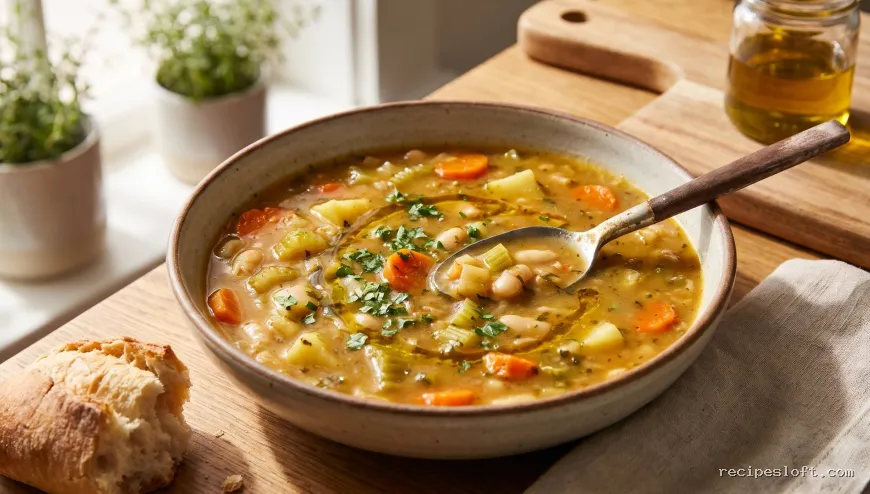
Choosing a soup comes down to time, heartiness, and base: broth-based and noodle soups cook quickly and suit light weeknight meals, bean, lentil, and grain soups are filling and freeze well for batch cooking, creamy pureed soups offer rich, smooth comfort, chilled soups refresh in warm weather, and tomato or vegetable soups adapt to whatever is on hand.
Soup recipes solve more weeknight dinner problems than almost any other category of cooking, yet the sheer number of options can make choosing one harder than it should be. This guide organizes the landscape so you can quickly find the style that fits your night: a fast weeknight broth, a thick and filling stew-like soup, a chilled option for warm weather, or a freezer-friendly batch for the week ahead.
In this guide: Taco Soup.
In this guide: Taco Soup, Split Pea Soup, 15 Bean Soup, Stuffed Pepper Soup, Loaded Baked Potato Soup and Cream of Broccoli Soup.
Use this page as a map rather than a single recipe. Each section below describes a family of soups, what makes it distinct, and when it's the right choice, while the recipe cards linked throughout give you the exact ingredients and steps to cook from. Start with the choice framework if you're unsure what you're in the mood for, or jump straight to the family that matches your craving.
How to Choose the Right Soup Recipe
Most soups fall along a few practical lines: how long they take, how heavy they are, and what base carries the flavor. Thinking through these questions first will point you toward the right section faster than browsing at random.
How Much Time Do You Have?
Brothy soups built on broth, aromatics, and quick-cooking vegetables or noodles can come together in under thirty minutes. Soups built around dried beans, tougher cuts of meat, or long-simmered stocks reward a slower afternoon, often an hour or more, though a pressure cooker can shorten that considerably.
How Hearty Does It Need to Be?
Light soups work well as a starter or a side to a sandwich. Thick, chunky soups loaded with vegetables, grains, or shredded meat can stand in as the entire meal. If you're feeding hungry eaters on a cold night, lean toward the heartier end of the spectrum.
What Base Do You Want?
Clear broths let individual ingredients shine and tend to feel lighter. Cream-based or pureed soups are richer and often smoother in texture. Tomato-based soups split the difference, offering body without heaviness. Matching the base to your mood is often the fastest way to narrow down a choice.
Easy Soup Recipes in This Collection
The recipes linked across this site are grouped into a few core families. Understanding what separates them makes it easier to pick confidently instead of scrolling through an endless list.
Broth-Based and Noodle Soups
These soups keep things light, relying on a well-seasoned broth as the backbone with vegetables, noodles, rice, or shredded meat added for substance. They're typically quick to prepare and gentle on the stomach, making them a reliable choice for weeknights or when someone in the house isn't feeling well.
Creamy and Pureed Soups
Blended soups made from vegetables like squash, potato, or broccoli deliver a smooth, velvety texture. Many get their richness from simmered vegetables and a splash of dairy rather than a heavy roux, which keeps them satisfying without being overly dense.
Bean, Lentil, and Grain Soups
Built around legumes or grains, these soups are naturally filling and tend to improve after a day in the refrigerator as the flavors continue to meld. They're a dependable option for batch cooking and stretch well across several meals.
Tomato and Vegetable Soups
Centered on tomatoes or a medley of vegetables, this family ranges from simple and brothy to thick and stew-like. They pair naturally with grilled cheese or crusty bread and adapt easily to whatever produce is on hand.
Chilled Soups
Served cold rather than hot, these soups are built for warmer months and usually feature pureed vegetables or fruit. They're a refreshing alternative when a steaming bowl doesn't sound appealing.
Preparing and Storing Soup
A few habits make soup easier to cook well and keep safely once it's made.
Building Flavor as You Go
Sauteing aromatics like onion, carrot, and celery before adding liquid gives soup a deeper base flavor than dumping everything in at once. Adding delicate ingredients like leafy greens or pasta near the end keeps them from turning mushy or overcooked.
Cooling and Storing Safely
Let soup cool before transferring it to the refrigerator, and aim to get it chilled within about two hours of cooking. Most soups keep well in a sealed container in the refrigerator for three to four days.
Freezing for Later
Soups without dairy or pasta tend to freeze and reheat the best, since cream can separate and noodles can turn soft after thawing. If you plan to freeze a batch, consider holding back the dairy or pasta and stirring it in fresh after reheating.
Cook next
Recipes in this guide
Explore the recipes that turn this guide into a practical cooking plan.


Helpful answers
Frequently asked questions
What makes a soup recipe beginner-friendly?
Beginner-friendly soup recipes typically use a short ingredient list, rely on a single pot, and involve straightforward steps like sauteing, simmering, and seasoning to taste. Broth-based soups with few components are usually the easiest starting point.
Can soup recipes be made ahead of time?
Yes, many soups actually taste better the next day because the flavors have more time to combine. Bean, lentil, and tomato-based soups in particular hold up well when made a day or two in advance.
How long does homemade soup last in the refrigerator?
Properly stored in a sealed container, most homemade soups stay good in the refrigerator for about three to four days. Always cool soup before refrigerating and reheat it thoroughly before eating.
Which soups freeze well?
Soups based on broth, beans, or pureed vegetables generally freeze and reheat well. Soups containing dairy or pasta can change texture after freezing, so it often helps to add those ingredients fresh after reheating.
What's the difference between a soup and a stew?
Soups generally contain more liquid relative to solid ingredients, while stews are thicker with less liquid and often larger chunks of meat or vegetables. Many recipes fall somewhere between the two categories.