
Basmati Rice Pilaf: The Fluffy, Aromatic Side Dish
A fluffy, aromatic basmati rice pilaf made by toasting the rice in butter and simmering it in seasoned broth, perfect as a side for salmon, chicken, or lamb.
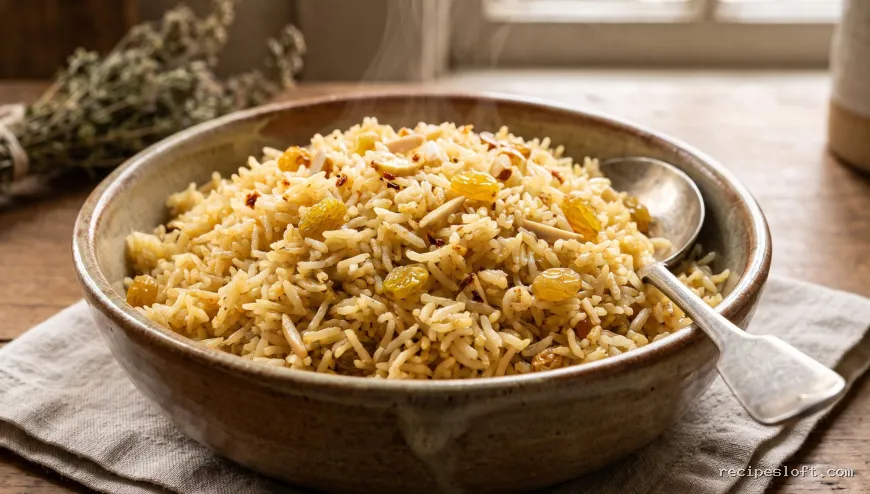
Cook this recipe
Basmati Rice Pilaf: The Fluffy, Aromatic Side Dish
Instructions
Rinse the rice
Soak (optional but recommended)
Cook the onion
Add garlic
Toast the rice
Add liquid and seasoning
Simmer covered
Rest the pilaf
Fluff and finish
Share this recipe
Loved this recipe? Share it with someone who’ll enjoy it.
Cooking guide
Cooking tips and techniques
Basmati pilaf rice gets its signature fluffy texture and nutty aroma from rinsing, toasting, and simmering long-grain basmati in seasoned broth rather than plain water. The grains stay separate and light instead of clumping, which is what sets a true pilaf apart from ordinary steamed rice.
Explore more practical ideas in our complete recipe collection.
What Makes Basmati Pilaf Rice Different
Basmati rice is a long, slender grain that elongates rather than swells when cooked, so it naturally resists stickiness. Cooking it "pilaf-style" means sautéing the rice briefly in fat before adding liquid, which coats each grain and further prevents clumping. This two-step approach—sauté, then simmer—is the core technique behind basmati pilaf rice and the reason it turns out light and separate instead of gummy.
Getting the Rice-to-Liquid Ratio Right
A ratio of roughly 1 part basmati rice to 1.5 parts broth gives reliably fluffy results. Too much liquid leaves the rice wet and soft; too little leaves it undercooked or scorched at the bottom. Rinsing the rice first removes surface starch that would otherwise make the ratio less predictable, and a short soak (15–20 minutes) before cooking shortens simmer time and improves evenness.
Why Toasting the Rice Matters
Toasting the drained rice in butter or oil for two to three minutes before adding liquid is what gives basmati pilaf rice its nutty flavor and helps the grains hold their shape during simmering. Skipping this step still produces edible rice, but the texture will be softer and the flavor flatter. Once the broth is added, resist lifting the lid while it simmers—steam escaping mid-cook is one of the most common reasons pilaf turns out unevenly cooked.
Pairing Rice Pilaf for Salmon and Other Mains
Rice pilaf for salmon works well because the mild, buttery grains balance the richness of the fish without competing with it. Plain basmati pilaf, or a version with toasted almonds, suits baked or pan-seared salmon especially well, while a version with dried cranberries or raisins pairs nicely with roasted chicken or lamb. For salmon, keep the add-ins simple—herbs, lemon zest, or nuts—so the fish stays the focus of the plate.
Simple Substitutions for Basmati Rice Pilaf
Vegetable broth can replace chicken broth for a vegetarian version without changing the technique. Olive oil works in place of butter if you prefer a dairy-free pilaf. Toasted almonds, pistachios, or sunflower seeds can stand in for one another, and dried cranberries or raisins are interchangeable if you want a touch of sweetness.
Storing and Reheating Basmati Rice Pilaf
Cooked basmati rice pilaf keeps well in an airtight container in the refrigerator for up to 4 days. Reheat leftovers to 165°F (74°C), either in a covered skillet with a splash of broth or water, or in the microwave, stirring halfway through to warm it evenly. For more on getting consistently fluffy results every time, see our guide to Easy Rice Pilaf (Fluffy Every Time).
Helpful answers
Frequently Asked Questions
Should I rinse basmati rice before making pilaf?
Yes, rinsing removes surface starch so the grains cook up separate and fluffy instead of sticky.
Can I make basmati rice pilaf without soaking?
Yes, soaking is optional and mainly shortens cook time and improves evenness; the pilaf will still turn out well if you skip it.
What pairs well with basmati rice pilaf?
A simple version with toasted almonds pairs well with salmon, while a version with dried cranberries or raisins suits roasted chicken or lamb.
How do I store and reheat leftover rice pilaf?
Store leftovers in an airtight container in the refrigerator for up to 4 days and reheat to 165°F (74°C) before serving.
From readers
Reviews
Cooked this? Tell other readers how it went.
Be the first to review this recipe
Keep cooking
You may also like

Twice-Baked Potatoes with Cream Cheese

Quick Refried Beans from Canned Beans
