
Egg Noodle Soup (Homemade, Ready in 30 Minutes)
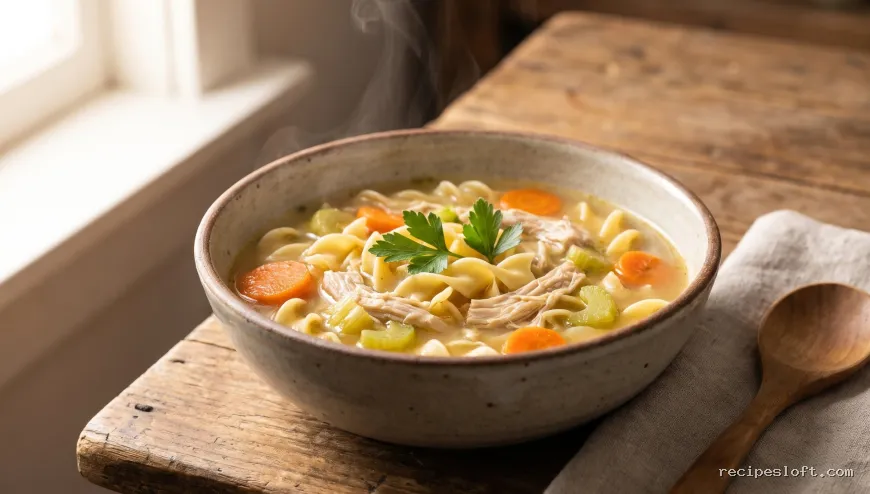
A quick, comforting egg noodle soup made in one pot with tender egg noodles, shredded chicken, carrots, celery, and a savory broth, ready in about 30 minutes.
Cook this recipe
Egg Noodle Soup (Homemade, Ready in 30 Minutes)
Instructions
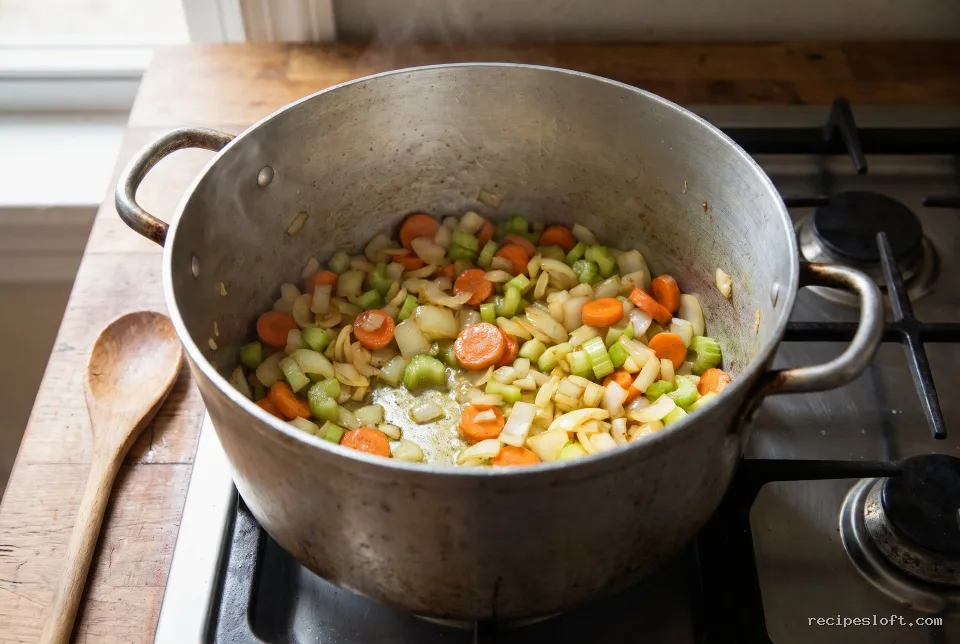
Sauté the vegetables
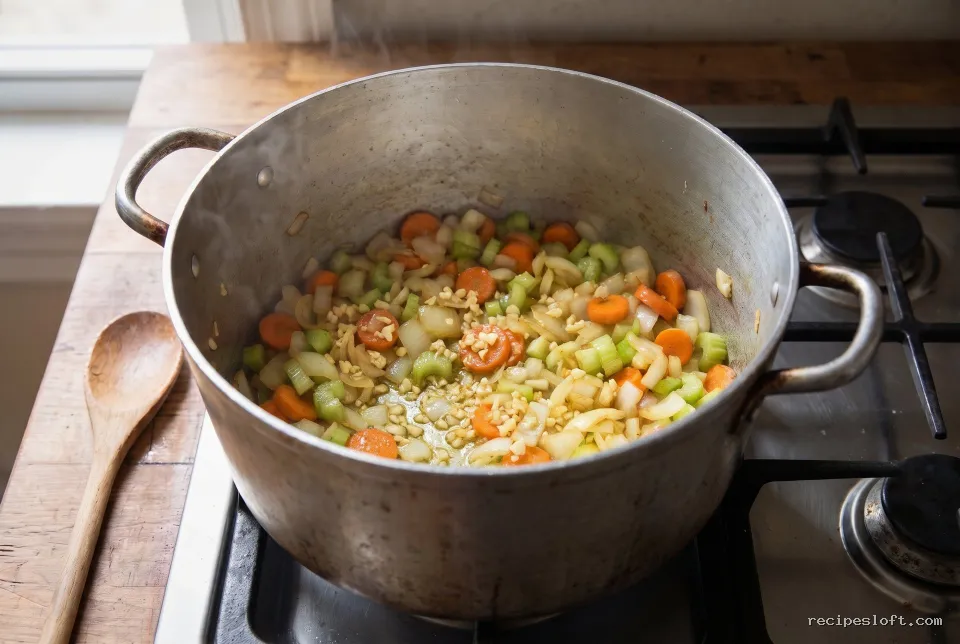
Add the garlic
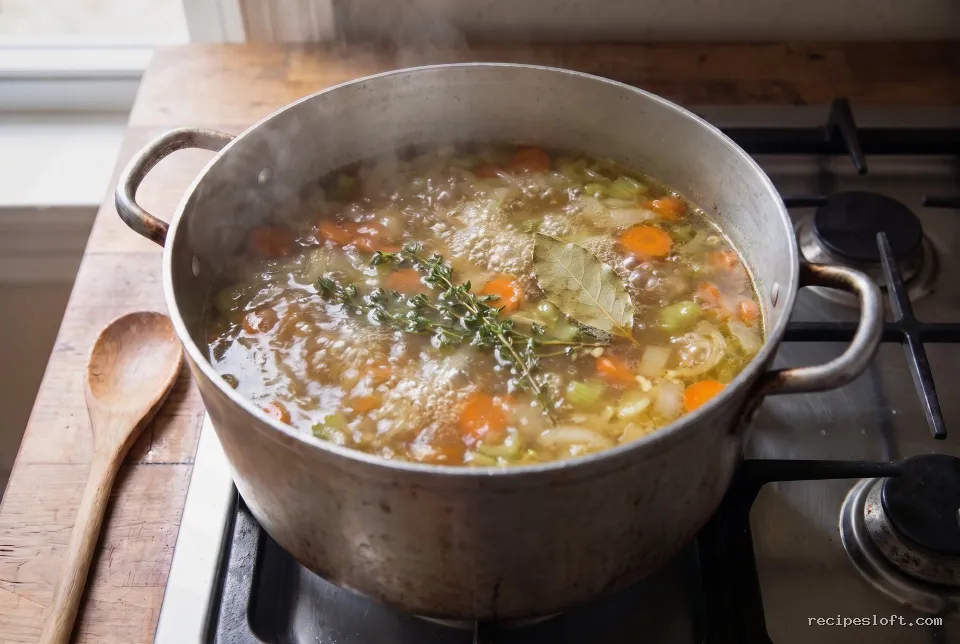
Build the broth
Cook the noodles
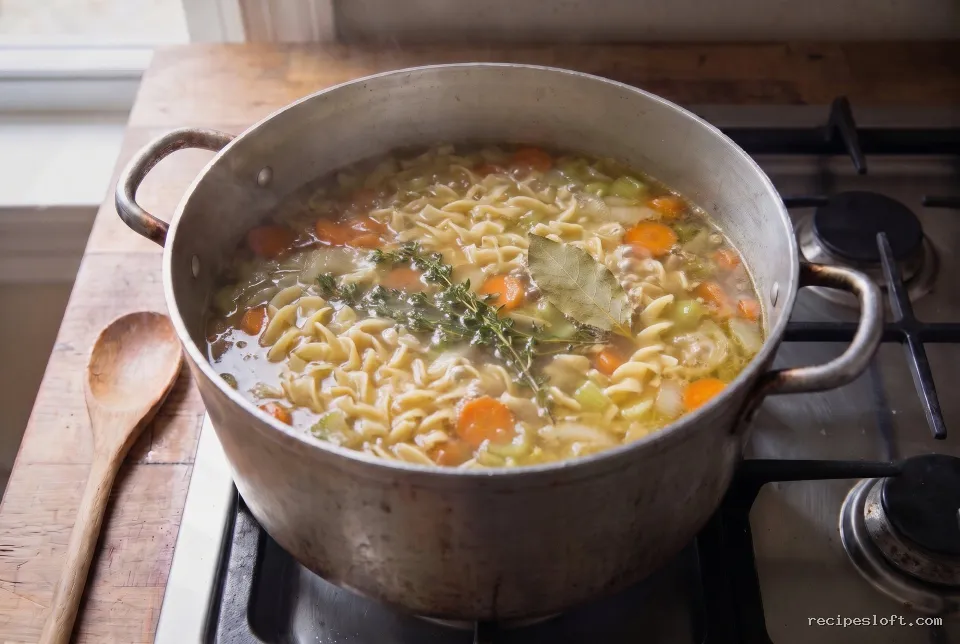
Add the chicken
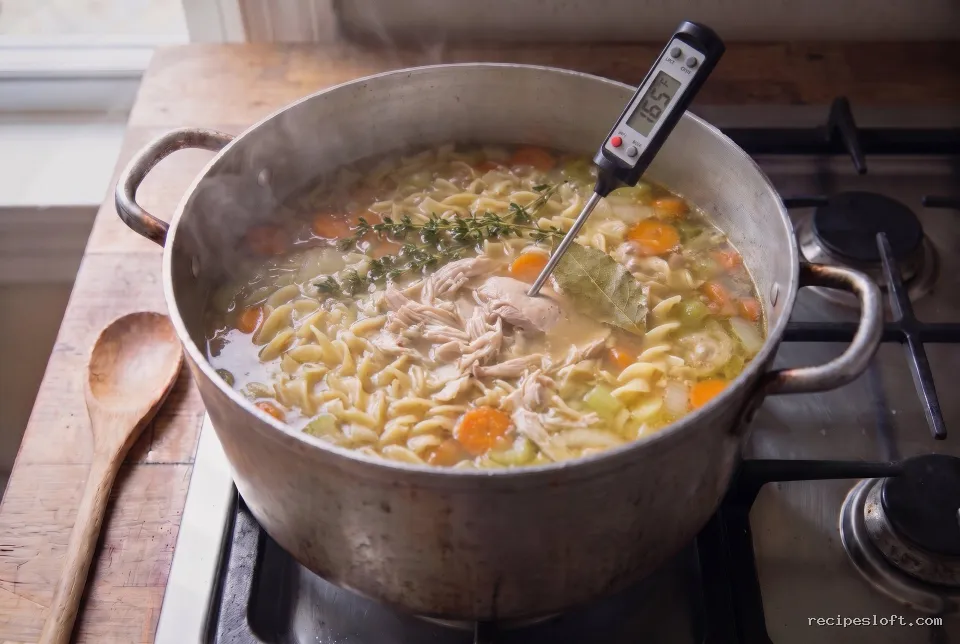
Season and serve
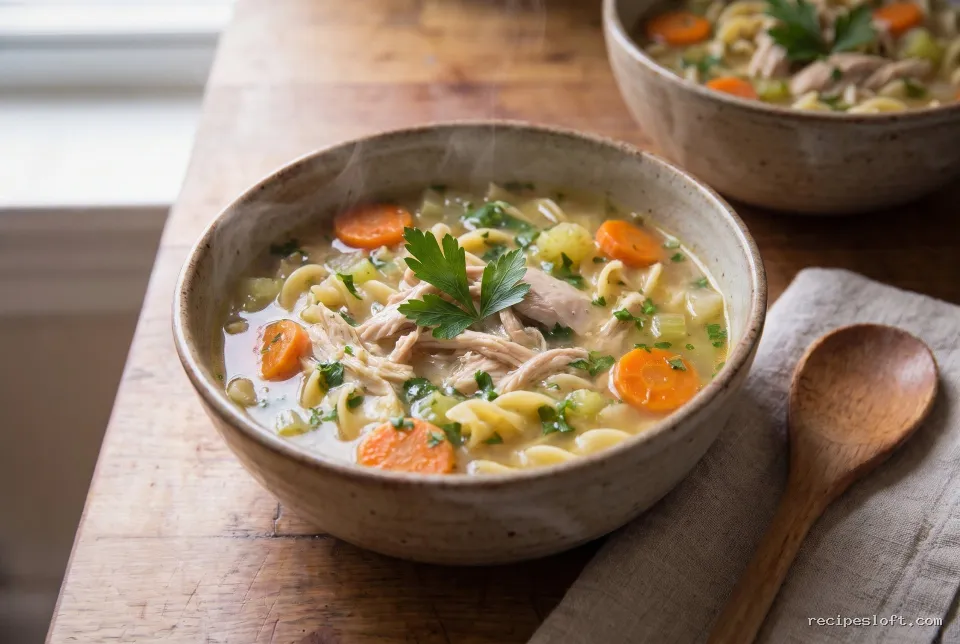
Share this recipe
Loved this recipe? Share it with someone who’ll enjoy it.
Cooking guide
Cooking tips and techniques
Egg noodle soup is a quick weeknight dinner built on a simple formula: a seasoned broth, tender vegetables, shredded chicken, and egg noodles simmered just until soft. This version comes together in about 30 minutes using one pot, making it a practical choice when you want a warm, filling meal without a long ingredient list or extra dishes.
Explore more practical ideas in our soup recipes.
What Makes Egg Noodle Soup Different From Other Noodle Soups
Egg noodle soup gets its name and texture from egg noodles, which are made with egg in the dough, giving them a richer flavor and a slightly chewier bite than plain wheat noodles. This texture holds up well in broth, which is why egg noodles soup recipes are so common for chicken-based soups rather than thinner pasta shapes that tend to go limp quickly.
Choosing Good Noodles for Egg Noodle Soup
The best noodles for this soup are dried or fresh egg noodles labeled for soup use, since they are cut wide and thick enough to stay firm after simmering. Thin egg noodles work in a pinch but soften faster and are more likely to turn mushy if the soup sits. Some brands sell sourdough noodles for soup, made with a naturally fermented dough; these have a slightly tangier flavor but cook the same way as standard egg noodles, so you can swap them in using the same simmer time without changing the recipe.
Fresh vs. Dried Egg Noodles
Fresh egg noodles cook faster, usually in 3 to 5 minutes, while dried egg noodles typically need 6 to 8 minutes. Always check the package instructions and taste-test a noodle a minute or two before the suggested time, since overcooked noodles will continue to soften in the hot broth even after the heat is off.
Substitutions and Variations for Egg Noodle Soup
This recipe is flexible enough to adjust based on what you have on hand. Swap the carrots and celery for parsnips or zucchini if that's what's in your fridge, use smoked turkey instead of chicken for a different flavor profile, or stir in a handful of frozen peas or corn during the last few minutes of cooking for extra color and sweetness. If you prefer a thicker, stew-like soup, reduce the broth by one cup; for a brothier soup, add an extra cup and adjust the seasoning to taste.
Preventing Mushy or Starchy Egg Noodle Soup
The most common problem with egg noodle soup is noodles that turn mushy or cloud the broth with starch. To avoid this, add the noodles only when the broth is at a steady simmer, not a rolling boil, and stir occasionally so they cook evenly. If you plan to have leftovers, cook the noodles separately in a pot of salted water and store them apart from the broth; combine individual portions only when reheating, since noodles left sitting in broth overnight will continue to absorb liquid and soften well past the ideal texture.
Storing and Reheating Egg Noodle Soup
Store cooled egg noodle soup in an airtight container in the refrigerator for up to 3 days. Because the noodles will keep absorbing broth as they sit, the soup will thicken overnight; thin it with a splash of extra broth or water when reheating. Warm leftovers on the stovetop over medium heat, stirring occasionally, and reheat until the soup reaches 165°F (74°C) throughout before serving. Freezing is not recommended once noodles are added, since they become noticeably softer and can turn grainy after thawing; if you want to freeze a batch, freeze the broth and chicken mixture without noodles, then cook fresh noodles when you're ready to serve.
Serving Egg Noodle Soup for Dinner
Egg noodle soup is filling enough on its own, but a slice of crusty bread or a simple green salad rounds out the meal. A sprinkle of fresh parsley, a crack of black pepper, or a squeeze of lemon juice right before serving brightens the broth without any extra cooking. For a heartier dinner, serve smaller portions as a starter before a main dish, or ladle larger bowls as the centerpiece of the meal.
For more broth-based dinner ideas, see the full Soup Recipes: Complete Guide.
Safe internal temperatures in this recipe follow the FoodSafety.gov safe minimum internal temperature chart.
Helpful answers
Frequently Asked Questions
What makes egg noodle soup different from regular noodle soup?
Egg noodle soup uses egg noodles, which are made with egg in the dough, giving them a richer flavor and firmer texture than plain wheat noodles, so they hold up better in hot broth.
What are the best noodles for egg noodle soup?
Dried or fresh egg noodles labeled for soup use work best because they are cut wide and thick enough to stay firm after simmering; thinner egg noodles soften faster and are more prone to becoming mushy.
Can I use sourdough noodles for soup instead of regular egg noodles?
Yes, sourdough noodles for soup are made with a naturally fermented dough and have a slightly tangier flavor, but they cook the same way as standard egg noodles, so you can swap them in using the same simmer time.
How do I store and reheat egg noodle soup?
Store it in an airtight container in the refrigerator for up to 3 days, and reheat on the stovetop until it reaches 165°F (74°C) throughout, adding extra broth if the noodles have thickened the soup.
From readers
Reviews
Cooked this? Tell other readers how it went.
Be the first to review this recipe
Keep cooking
Related recipes and guides

Recipe collection
Soup Recipes: Complete Guide
Easy soup recipes for every night: taco, split pea, 15 bean, stuffed pepper, loaded baked potato and cream of broccoli soup, plus storing tips.