
3-2-1 Pie Crust: The Easy Ratio for Flaky Homemade Pastry
A classic 3-2-1 pie crust made with three parts flour, two parts cold butter, and one part ice water by weight, resulting in a flaky, buttery dough for sweet or savory pies.
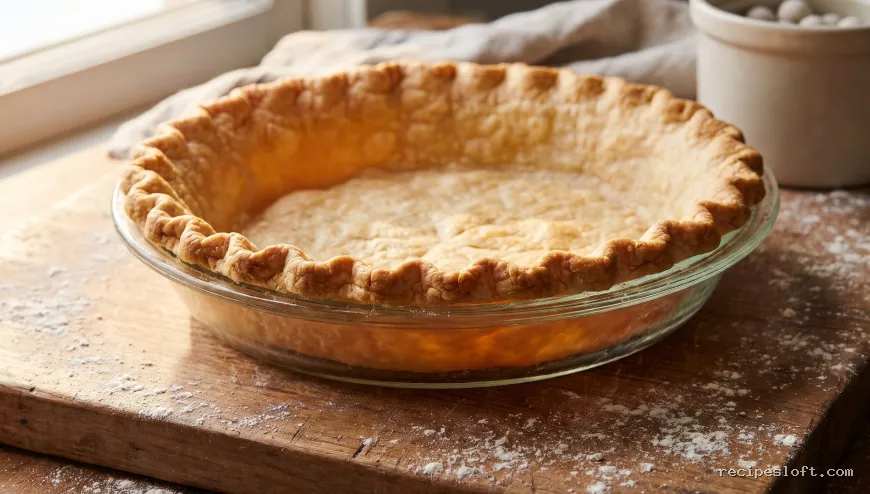
Cook this recipe
3-2-1 Pie Crust: The Easy Ratio for Flaky Homemade Pastry
Instructions
Mix the dry ingredients
Cut in the cold butter
Add the ice water
Divide and chill
Roll out the dough
Fit into the pie plate
Chill before baking
Blind-bake if needed
Share this recipe
Loved this recipe? Share it with someone who’ll enjoy it.
Cooking guide
Cooking tips and techniques
A 3 2 1 pie crust is a classic pastry dough made with three parts flour, two parts fat, and one part ice water by weight — a simple ratio that makes crust-building easy to remember and scale. This all-butter version produces a flaky, tender dough that rolls out cleanly and holds its shape in the pan.
Explore more practical ideas in our complete recipe collection.
What Does 3 2 1 Pie Crust Mean?
The numbers refer to weight, not volume: for every 3 ounces of flour, you use 2 ounces of fat and 1 ounce of ice water. Because the ratio scales up or down easily, bakers can make a single crust, a double crust, or a large batch for the freezer without rewriting the recipe. If you want more background on pastry technique and a step-by-step method, the Never-Fail Pie Crust (Flaky All-Butter Recipe) guide walks through the full process in detail.
Choosing Butter and Measuring by Weight
Butter is the fat used here because it gives the best flavor and a crisp, flaky texture when kept cold. Measuring by weight with a kitchen scale is more reliable than scooping cups of flour, since packed flour can throw off the ratio and lead to a tough or crumbly dough. If you don't own a scale, spoon the flour lightly into the measuring cup and level it off rather than scooping directly from the bag.
Preventing a Tough or Shrinking 3 2 1 Pie Crust
Overworking the dough or using warm butter are the two most common reasons a 3 2 1 pie crust turns out tough instead of flaky. Keep the butter cold and cut it into the flour only until pieces are pea-sized, then add ice water a little at a time, stopping as soon as the dough holds together when pressed. Shrinking during baking usually means the dough was stretched while fitting it into the pan or wasn't chilled before baking — always ease the dough into the pan without pulling, and let it rest in the refrigerator for at least 30 minutes before it goes in the oven.
Storing and Freezing 3-2-1 Pie Crust Dough
Wrapped tightly, the raw dough disc keeps in the refrigerator for up to 2 days or in the freezer for up to 3 months. Thaw frozen dough overnight in the refrigerator before rolling; rolling it straight from frozen will cause cracking. If the dough has been rolled and fitted into a pie plate, it can also be frozen unbaked for up to a month — just wrap the whole pan tightly before freezing and bake directly from frozen, adding a few extra minutes to the bake time.
Rolling, Fitting, and Blind-Baking the Crust
Roll the chilled dough on a lightly floured surface from the center outward, turning it a quarter turn after each pass to keep an even circle and prevent sticking. Fit it into the pie plate without stretching, trim the overhang to about an inch, and crimp the edges before chilling again. For recipes that call for a pre-baked shell, line the chilled crust with parchment and pie weights and bake at 375°F (190°C) until the edges are set, then remove the weights to let the bottom finish browning.
Serving a 3-2-1 Pie Crust in Your Favorite Pies
This dough works for both sweet and savory pies, from fruit pies and custard pies to quiches, since the butter-based flavor is neutral enough to pair with almost any filling. Make two discs at once so one is ready in the freezer for the next time a pie craving strikes.
Helpful answers
Frequently Asked Questions
What does 3-2-1 mean in a pie crust recipe?
It refers to the ratio by weight: 3 parts flour, 2 parts fat, and 1 part ice water, which makes the recipe easy to remember and scale up or down.
Can I use shortening instead of butter?
This recipe uses all butter for flavor and flakiness; if substituting another solid fat, keep it cold and maintain the same 3:2:1 weight ratio.
How long does 3-2-1 pie crust dough keep?
The wrapped dough disc keeps in the refrigerator for up to 2 days or in the freezer for up to 3 months; thaw frozen dough overnight in the fridge before rolling.
Why did my pie crust shrink while baking?
Shrinking usually happens when the dough is stretched while fitting it into the pan or isn't chilled before baking, so always ease it in gently and chill for at least 30 minutes first.
Do I need to blind-bake this crust?
Only if your pie filling requires a pre-baked shell; otherwise the crust can be filled raw and baked according to the pie recipe's instructions.
From readers
Reviews
Cooked this? Tell other readers how it went.
Be the first to review this recipe
Keep cooking

