
Deep-Dish Pumpkin Pie with Buttermilk Custard Filling
A deep dish pumpkin pie with a silky buttermilk custard filling, baked in a tall crust for generous, creamy slices and classic fall spice flavor.

Cook this recipe
Deep-Dish Pumpkin Pie with Buttermilk Custard Filling
Instructions
Preheat and par-bake the crust

Mix the filling
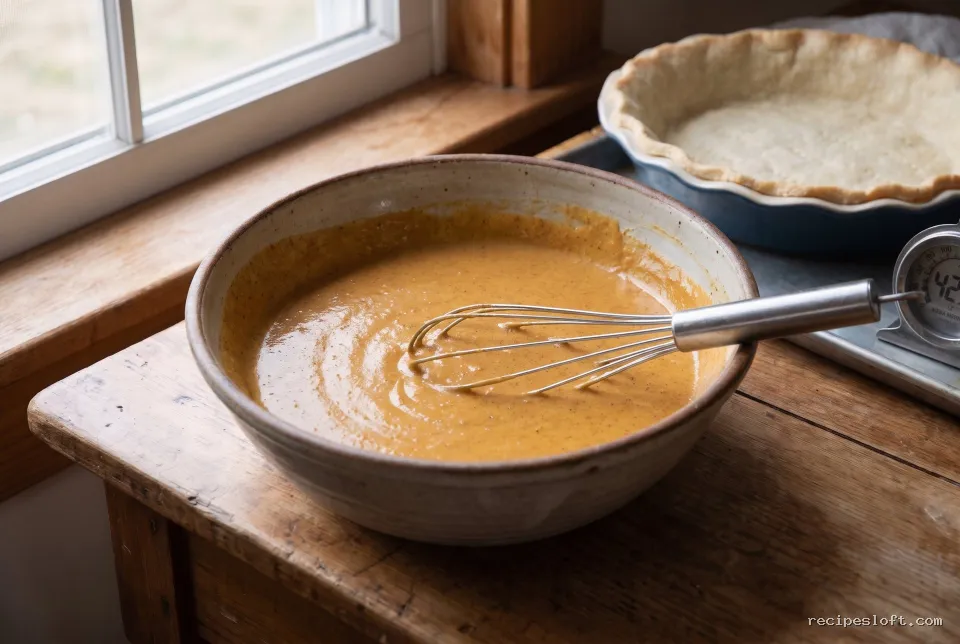
Fill the crust

Bake until set
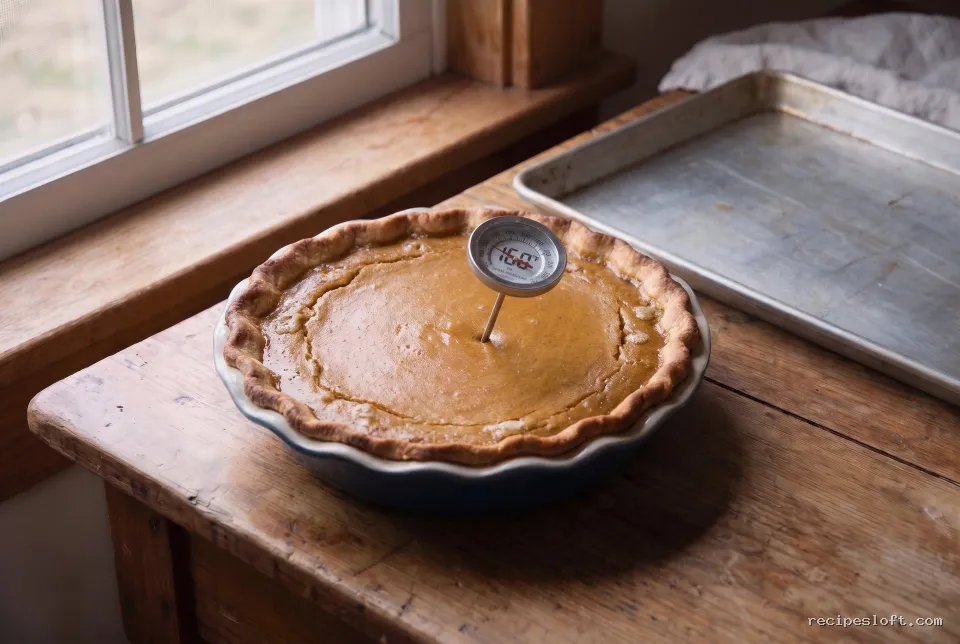
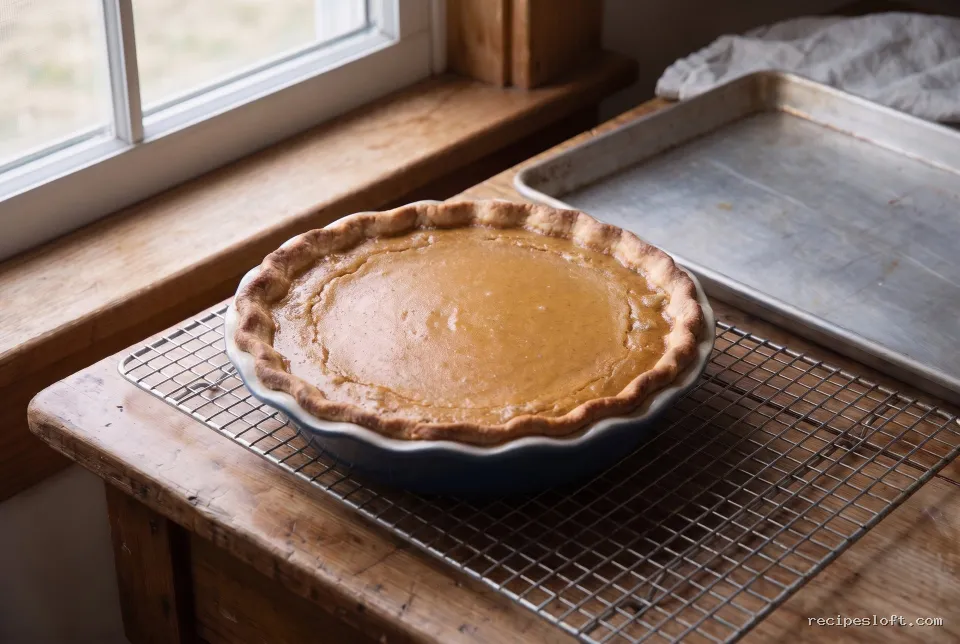
Cool and chill
Share this recipe
Loved this recipe? Share it with someone who’ll enjoy it.
Cooking guide
Cooking tips and techniques
Deep dish pumpkin pie is a pumpkin custard pie baked in a taller 9-inch deep-dish crust, giving each slice more filling and a creamier texture than a standard pie. This version uses buttermilk for tang and structure, bakes until the custard sets at 160°F (71°C), and chills before slicing for clean, tall wedges.
What Makes a Deep-Dish Pumpkin Pie Different from a Standard Pie
A deep dish pumpkin pie uses a pie dish with higher sides, usually at least 1.5 to 2 inches deep, so it holds significantly more custard than a standard 9-inch pie plate. More filling means the center takes longer to set, so the bake time runs longer and at a slightly lower steady temperature once the crust has had its initial high-heat start. The payoff is a taller, denser slice with a higher custard-to-crust ratio, which is why this style is popular for holiday tables where presentation and generous portions matter.
Buttermilk or Sour Cream: Choosing a Pumpkin Pie Filling Base
Buttermilk gives this pumpkin pie a slight tang and a lighter, silkier custard because its acidity helps keep the eggs and pumpkin puree from tasting flat or overly sweet. If you prefer a denser, richer filling, a sour cream pumpkin pie recipe works as a direct 1:1 swap for the buttermilk here; the texture will be a bit thicker and closer to a cheesecake-style custard. Both versions use the same spice blend and bake the same way, so the swap does not change the method, only the final mouthfeel.
Deep-Dish Pumpkin Pie vs Slab Pumpkin Pie
A slab pumpkin pie uses this same basic filling and crust concept but is baked in a rimmed sheet pan instead of a round dish, spreading the custard into a thinner, wider layer meant to serve a crowd in squares rather than wedges. Because the filling layer is shallower in a slab pie, it bakes faster and sets more quickly than a true deep-dish pie, so if you adapt this recipe to a sheet pan, start checking for doneness at least 15 to 20 minutes earlier than the deep-dish bake time. The deep-dish version is the better choice when you want a tall, classic pie slice rather than individual squares.
Preventing a Soggy Crust or Cracked Deep Dish Pumpkin Pie Filling
A soggy bottom crust is usually the result of skipping the par-bake step, so blind-baking the crust briefly before adding the custard is what keeps a deep-dish pumpkin pie from turning gummy under all that extra filling. Cracking across the top happens most often from overbaking or from cooling the pie too quickly, so pull it from the oven once the center reaches 160°F (71°C) on an instant-read thermometer even if it still looks slightly soft, and let it cool gradually on a wire rack at room temperature before chilling. Avoid opening the oven door repeatedly while the pie bakes, since temperature swings can also contribute to a sunken or cracked surface.
Storing and Reheating Deep-Dish Pumpkin Pie
Deep-dish pumpkin pie should be covered loosely and refrigerated once fully cooled, where it will keep well for up to 4 days. It is traditionally served chilled or at room temperature, but if you prefer leftover slices warm, reheat them gently to an internal temperature of 165°F (74°C) rather than microwaving on high, which can cause the custard to separate or weep.
Choosing and Prepping the Crust
Since the crust is doing more structural work in a deep-dish pie, starting with a sturdy, all-butter dough that can be rolled thick enough to hold a tall custard without tearing matters more than it does for a shallow pie. For a dependable homemade base, see the never fail pie crust recipe, which rolls out thick enough for a deep-dish pan and holds up through the par-bake step described above.
Safe internal temperatures in this recipe follow the FoodSafety.gov safe minimum internal temperature chart.
Helpful answers
Frequently Asked Questions
What makes a pie a deep-dish pumpkin pie?
It is baked in a pie dish with taller sides, holding more custard than a standard pie and resulting in a thicker, taller slice.
Can I use sour cream instead of buttermilk?
Yes, sour cream can replace the buttermilk in equal amounts for a denser, richer custard texture.
Can this be made as a slab pumpkin pie instead?
Yes, spread the same filling into a rimmed sheet pan for a slab pie, but check for doneness 15 to 20 minutes earlier since the layer is thinner.
How do I know when the pie is fully baked?
The edges should look set while the center still jiggles slightly, and an instant-read thermometer inserted in the center should read 160°F (71°C).
How should leftovers be stored and reheated?
Cover and refrigerate for up to 4 days; if serving warm, reheat slices to an internal temperature of 165°F (74°C).
From readers
Reviews
Cooked this? Tell other readers how it went.
Be the first to review this recipe
Keep cooking
You may also like

Key Lime Pie with Cream Cheese

