Baked Manicotti (Cheese-Stuffed Pasta Tubes)
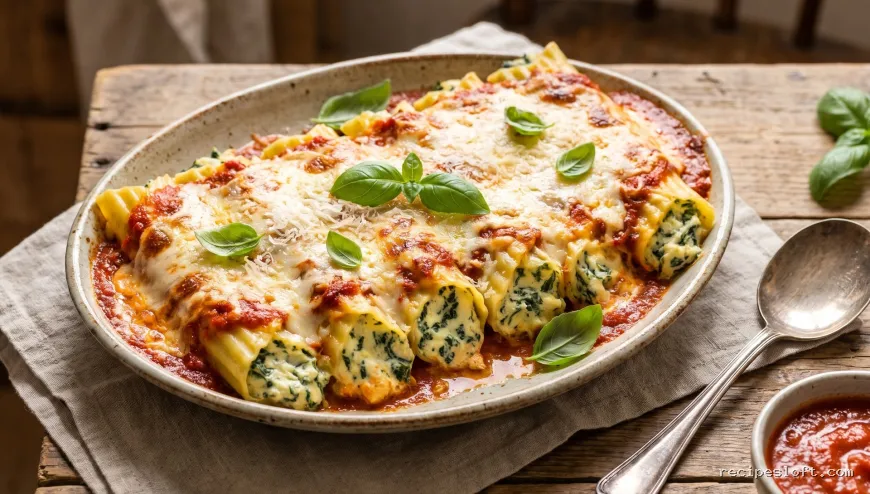
Pasta tubes stuffed with a creamy ricotta, mozzarella, and spinach filling, covered in marinara sauce, and baked until bubbling and golden.
Cook this recipe
Baked Manicotti (Cheese-Stuffed Pasta Tubes)
Instructions
Cook the manicotti tubes
Mix the cheese filling
Fill the tubes
Top with sauce and cheese
Bake until set
Rest and serve
Share this recipe
Loved this recipe? Share it with someone who’ll enjoy it.
Cooking guide
Cooking tips and techniques
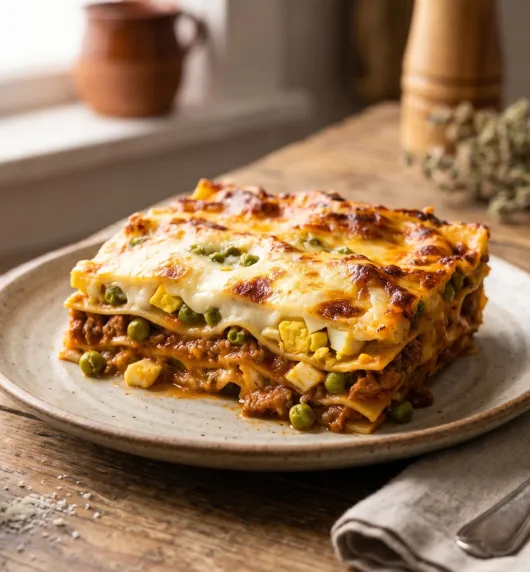
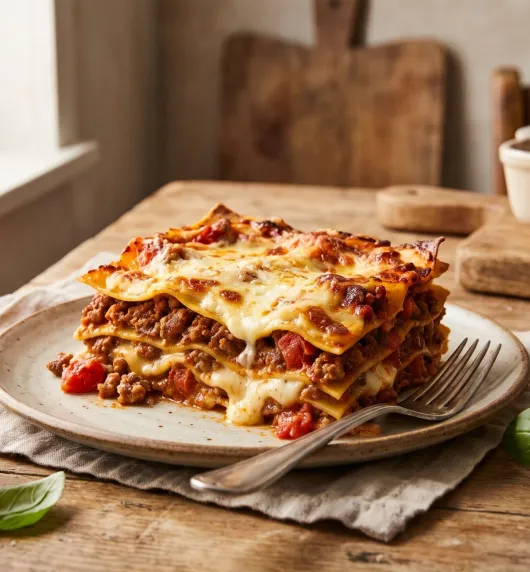
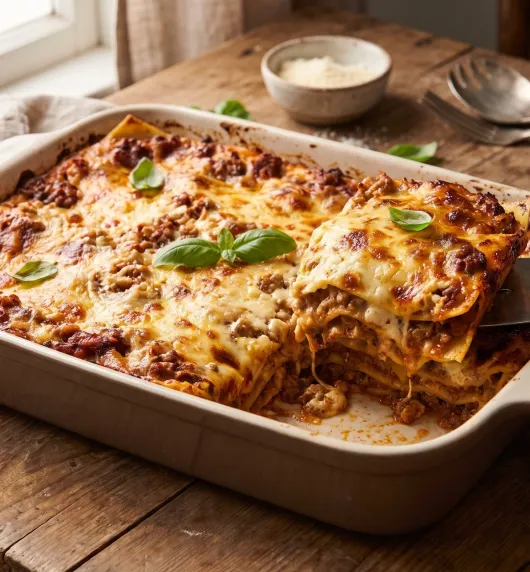
Baked manicotti is pasta tubes stuffed with a ricotta-mozzarella filling, covered in marinara, and baked until bubbling and golden. It's a close cousin of manicotti lasagna, which uses the same cheese filling but layers it between flat noodles instead of stuffing it into tubes — the flavors are nearly identical, only the pasta shape and assembly method change.
What Is Manicotti Lasagna, and How Does It Differ From Baked Manicotti?
Manicotti lasagna refers to recipes that take the classic stuffed-tube filling — ricotta, mozzarella, Parmesan, egg, and often spinach — and spread it between flat lasagna sheets instead of piping it into tubes. The result bakes more like a traditional casserole, with distinct layers you can slice cleanly, while stuffed manicotti keeps each portion as a self-contained roll. If you'd rather build layers than fill tubes, our lasagna recipe with ricotta cheese guide walks through that layered version step by step. Both styles share the same core filling logic, so most substitutions below work for either format.
Choosing and Cooking the Pasta Tubes for Baked Manicotti
Regular manicotti tubes need a quick boil before stuffing, while oven-ready (no-boil) tubes soften directly in the sauce as the dish bakes. If using regular tubes, pull them about a minute before the package's "al dente" time so they hold their shape when filled and don't tear; drain them on a baking sheet in a single layer so they don't stick together while you prepare the filling. No-boil tubes save a step but need extra sauce coverage on all sides, since they rely on moisture from the marinara to cook through in the oven.
Filling Behavior: Keeping the Ricotta Mixture From Watering Out
Watery filling is the most common manicotti problem, and it almost always traces back to excess moisture in the ricotta or spinach. Squeeze thawed frozen spinach firmly in a clean towel until no more liquid drips out before mixing it into the cheese, and avoid using low-fat ricotta, which tends to release more water as it bakes. If your ricotta still looks loose, stir in a tablespoon or two of extra Parmesan to absorb moisture without changing the flavor balance.
Substitutions for the Filling and Sauce
Cottage cheese can replace ricotta in a pinch if blended briefly for a smoother texture, and fresh spinach (wilted and squeezed dry) works in place of frozen. Any good-quality marinara or a simple crushed-tomato sauce seasoned with garlic and basil will work in place of jarred sauce, as long as it's thick enough to cling to the tubes rather than pool thinly in the dish.
Storing and Reheating Baked Manicotti
Baked manicotti keeps well in an airtight container in the refrigerator for up to 4 days. For longer storage, freeze assembled but unbaked manicotti (covered tightly) for up to 3 months, then bake from frozen with about 15-20 extra minutes covered. When reheating leftovers, warm them in a covered dish in the oven or microwave until the center reaches 165°F (74°C) on an instant-read thermometer.
Serving Ideas for Baked Manicotti
A simple green salad with a light vinaigrette balances the richness of the cheese filling, and garlic bread is the classic side for scooping up extra sauce. For a lighter meal, serve two manicotti tubes alongside roasted vegetables like zucchini or broccoli instead of bread.
Safe internal temperatures in this recipe follow the FoodSafety.gov safe minimum internal temperature chart.
Helpful answers
Frequently Asked Questions
Can I use no-boil manicotti tubes for this recipe?
Yes, oven-ready tubes work well as long as they're fully covered with marinara sauce on all sides, since they rely on the sauce's moisture to soften and cook through in the oven.
What's the difference between manicotti and manicotti lasagna?
Manicotti stuffs the cheese filling inside pasta tubes, while manicotti lasagna spreads the same filling between flat lasagna sheets, creating distinct, sliceable layers instead of individual rolls.
Can I assemble baked manicotti ahead and freeze it?
Yes, assemble the dish up to the point of baking, cover tightly, and freeze for up to 3 months; bake from frozen with about 15-20 extra minutes covered before uncovering to finish.
How do I keep the filling from leaking out of the tubes?
Squeeze excess moisture from the spinach before mixing it in, use whole-milk ricotta rather than a low-fat version, and don't overfill the tubes so the filling stays contained as it bakes.
From readers
Reviews
Cooked this? Tell other readers how it went.
Be the first to review this recipe
Keep cooking