
Recipe collection
Make-Ahead Pizza Dough: The Complete Planning Guide
Make ahead pizza dough to try: Grilled Pizza (Charcoal or Gas Grill), Brick Oven Pizza Dough, Honey Pizza Dough and more, with practical cooking tips.
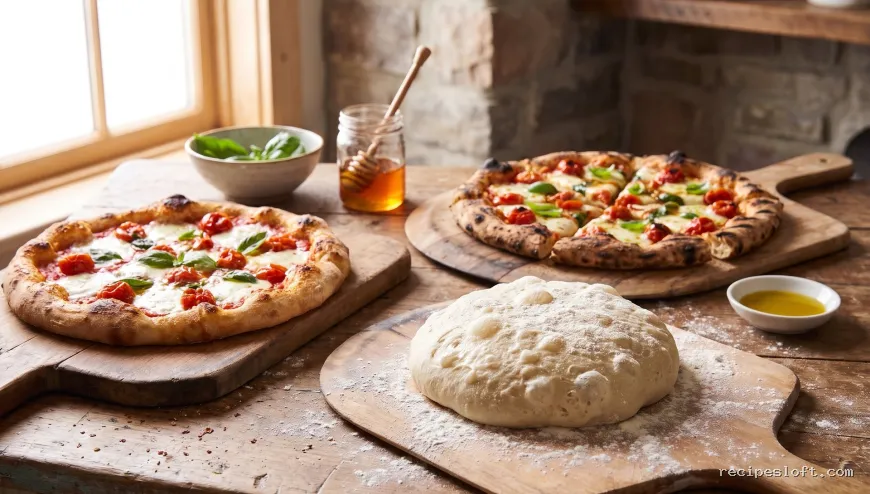
Planning pizza dough ahead means choosing the right style for your timeline and equipment: grilled dough suits cooking over live fire, brick oven dough suits intense, fast-baking setups, honey dough suits those wanting a softer, slightly sweet crust, and sourdough dough suits bakers with a starter who want deep, tangy flavor.
Make ahead pizza dough is the quiet trick behind almost every great home pizza night: dough that rests and develops flavor on your timetable, not the clock's. This guide helps home cooks who want to plan pizza a day or two in advance, whether that means mixing dough after work for weekend pizza, stocking a freezer stash for busy nights, or simply understanding why a longer rest makes crust taste better.
Use this page as a hub. Below you'll find a framework for choosing the right dough style for your oven and timeline, an overview of the dough families covered in this collection, and practical guidance on storing and reviving dough so it performs well whenever you're ready to bake.
Why Plan Pizza Dough Ahead of Time
Mixing dough in advance gives yeast and flour more time to interact, which builds flavor and improves texture before the dough ever sees heat. A short same-day rise can produce a decent crust, but a rest of 24 to 72 hours in the refrigerator typically yields a more flavorful, easier-to-stretch dough with better browning and a lighter chew. This is why so many pizzerias mix dough well ahead of service rather than on demand.
Same-Day vs. Overnight vs. Multi-Day Timelines
Same-day dough works when you're in a hurry and willing to accept a simpler flavor and slightly denser bite. Overnight dough, rested eight to twenty-four hours, is the most common middle ground, offering noticeably better flavor with minimal extra planning. Multi-day dough, rested up to three days, rewards patience with the deepest flavor and the most extensible texture, though it requires remembering to pull it from the fridge with enough lead time to come to room temperature before shaping.
Matching Dough to Your Cooking Method
Not every dough behaves the same way once it hits heat. A dough destined for a screaming-hot brick oven can handle a drier, higher-protein mix, while dough headed for a grill grate needs enough structure to be flipped without tearing. Thinking about your cooking method before you mix helps you choose a hydration level and rest time that sets you up for success later.
Choosing the Right Make-Ahead Dough for Your Setup
With several dough styles in this collection, it helps to match your equipment and schedule to the right recipe rather than picking at random.
If You're Cooking Over Live Fire
Grilling pizza asks a dough to tolerate direct, high heat and a bit of handling on the grates. The Grilled Pizza (Charcoal or Gas Grill) guide walks through shaping and timing dough so it holds together over charcoal or gas without becoming tough.
If You Want That Pizzeria-Style Crust
A true brick oven environment runs hotter and faster than a home oven, and the dough benefits from a formula built around that intensity. The Brick Oven Pizza Dough page covers how to build a dough that can handle those extreme temperatures and still bake through evenly.
If You Prefer a Softer, Slightly Sweet Crust
Some bakers like a crust with a touch of natural sweetness and extra tenderness, which comes from swapping part of the usual sweetener. The Honey Pizza Dough recipe shows how that small change affects browning and flavor without complicating the make-ahead process.
If You Want Deep, Tangy Flavor From a Starter
For bakers already maintaining a sourdough starter, that natural leaven can replace commercial yeast entirely, producing a more complex, slightly tangy crust. The Sourdough Pizza Dough guide explains how starter activity changes your make-ahead timeline compared to yeasted dough.
Recipe Families in This Collection
Each dough style above represents a distinct approach to the same core idea: resting dough ahead of baking time improves the final pizza. Grilled dough prioritizes handling and structure over open flame. Brick oven dough is built for speed and intense heat. Honey dough focuses on flavor and crust tenderness. Sourdough dough leans on fermentation from a live starter rather than packaged yeast. Together they cover most of the situations a home cook encounters when planning pizza more than a few hours ahead.
Storing and Reviving Make-Ahead Dough
Refrigerator Storage
Once dough is mixed and has had its initial rise, dividing it into individual balls and placing each in a lightly oiled, covered container keeps the surface from drying out while it rests in the refrigerator. Most doughs hold well this way for up to three days, with flavor generally improving through day two.
Freezer Storage
For longer storage, wrap individual dough balls tightly and freeze them after their first rise. Thawing overnight in the refrigerator, then letting the dough sit at room temperature for an hour or so before shaping, helps it regain the extensibility it had before freezing.
Bringing Dough Back to Room Temperature
Cold dough straight from the fridge resists stretching and tears easily. Letting it sit out, covered, for thirty minutes to an hour before shaping relaxes the gluten and makes shaping far easier, regardless of which dough style you're working with.
Cook next
Recipes in this guide
Explore the recipes that turn this guide into a practical cooking plan.
Helpful answers
Frequently asked questions
How far in advance can I make pizza dough?
Most yeasted pizza doughs can be mixed one to three days before baking when kept covered in the refrigerator, with many bakers finding the best flavor around the second day. Sourdough-based dough can sometimes be held a bit longer depending on starter activity and refrigerator temperature.
Can I freeze pizza dough after it rises?
Yes. Dividing dough into individual balls after its first rise and wrapping each tightly before freezing is a reliable way to extend storage well beyond a few days. Thaw in the refrigerator overnight, then bring to room temperature before shaping.
Does make-ahead dough need to be punched down before storing?
Gently deflating the dough before dividing and storing helps redistribute yeast activity and prevents an overly gassy texture, but a rough or aggressive punch-down isn't necessary. A light fold is usually enough.
Why does my make-ahead dough tear when I stretch it?
Dough that tears is often still too cold, which tightens the gluten structure. Letting it rest at room temperature for a longer stretch before shaping, and handling it gently from the center outward, usually solves the problem.
Is make-ahead dough different from quick same-day dough in texture?
Yes, generally. Dough given a longer, cooler rest tends to be more flavorful and slightly more extensible than dough made and used the same day, which often has a simpler flavor and a denser bite. Whichever dough style fits your plans, the real advantage of make ahead pizza dough is flexibility: once it's resting in the fridge or freezer, pizza night becomes a matter of shaping and baking rather than starting from scratch.