
Spicy Soups: What Makes Them Hot (Plus a Recipe)
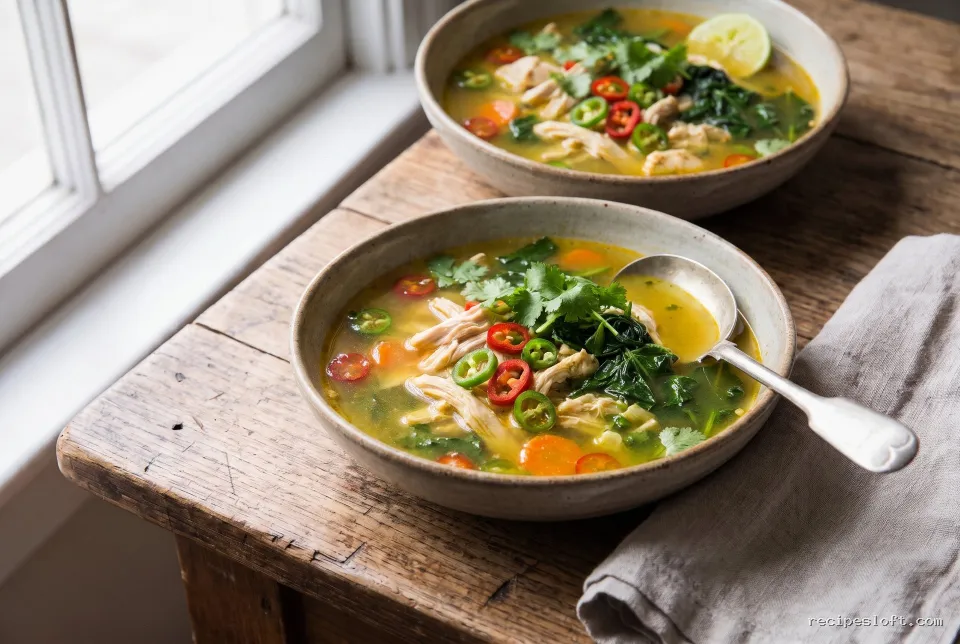
A light, fiery broth soup with chicken, fresh chilies, ginger, and vegetables, finished with lime for a bright, warming bowl.
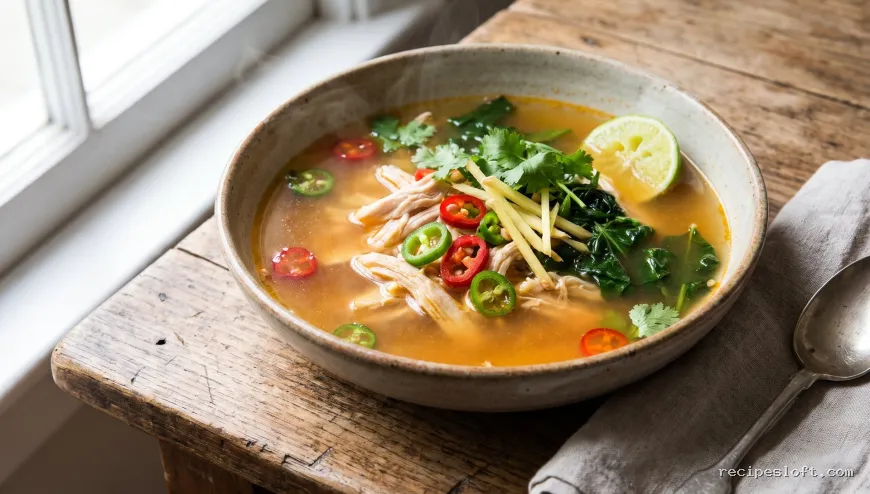
Cook this recipe
Spicy Soups: What Makes Them Hot (Plus a Recipe)
Instructions
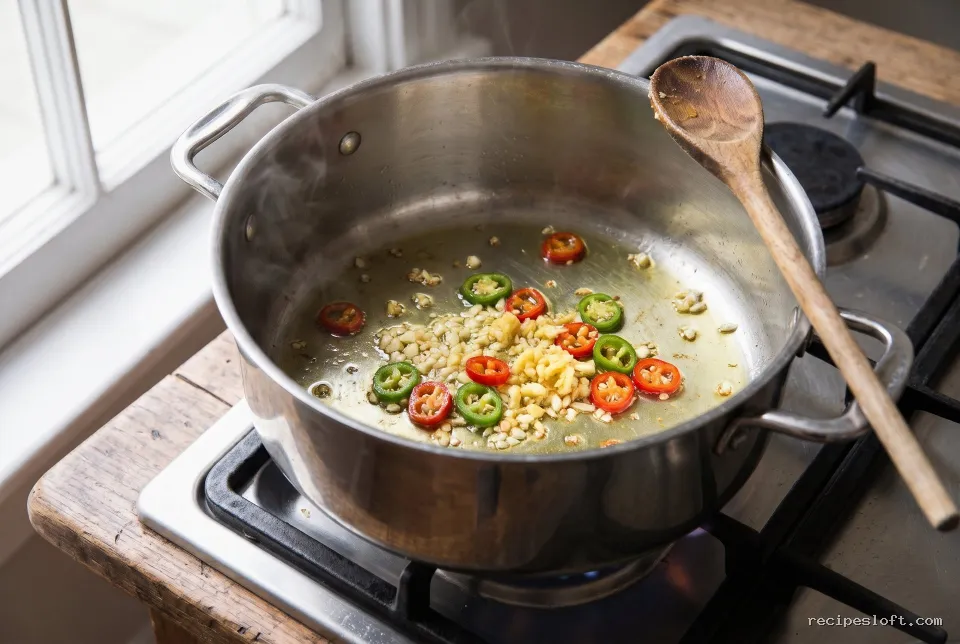
Saute the aromatics
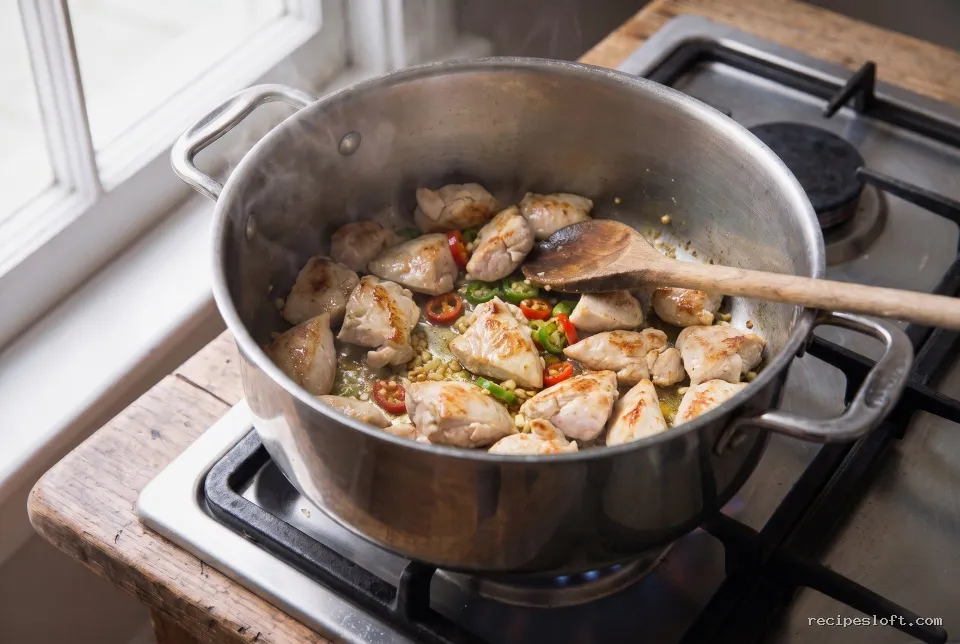
Cook the chicken
Add broth and simmer

Add the greens
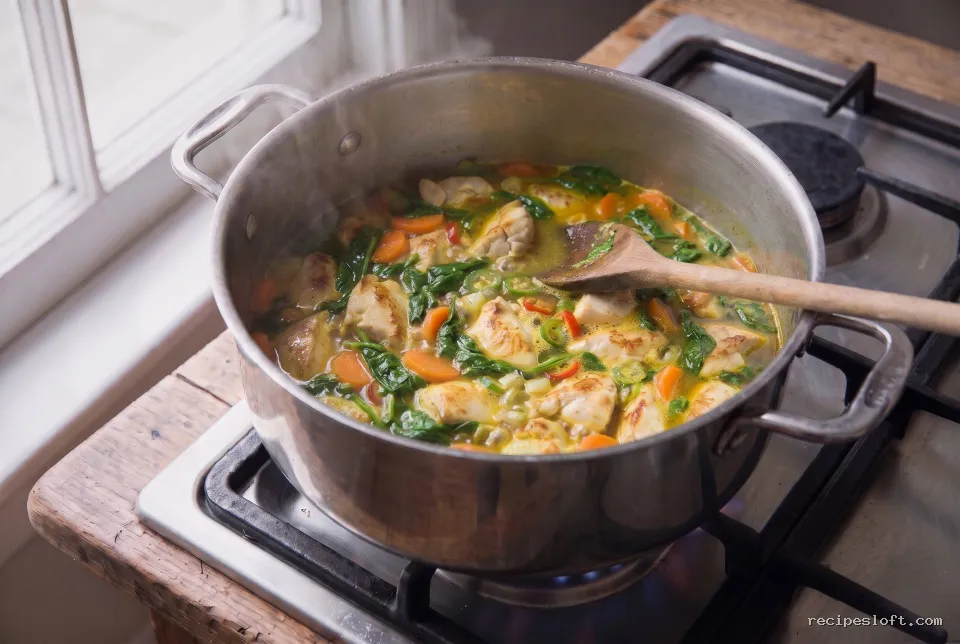
Finish and serve
Share this recipe
Loved this recipe? Share it with someone who’ll enjoy it.
Cooking guide
Cooking tips and techniques
Spicy soups get their heat from fresh chilies, chili flakes, ginger, or warming spices like turmeric and black pepper, usually built on a well-seasoned broth. Whether you prefer a light broth-based bowl or a heartier lentil or chicken version, you can control the heat by choosing your chili type and adjusting how much you use.
Explore more practical ideas in our soup recipes.
What Makes Spicy Soups Spicy
The heat in spicy soups almost always comes from capsaicin, the compound found in chili peppers, chili flakes, and chili pastes. Fresh red or green chilies give a bright, immediate heat, while dried chili flakes or powders add a slower, more lingering warmth. Aromatics like fresh ginger and garlic don't add heat on their own, but they intensify the overall flavor so the spice feels more complex rather than one-dimensional. Black pepper and warming spices such as turmeric or cumin round out the heat with depth instead of sharpness.
Building a Spicy Broth Soup Recipe
A spicy broth soup recipe starts with a clear, well-seasoned liquid base rather than a thickened or cream-based one, which lets the chili and aromatics shine through without being muted. The broth recipe below layers garlic, ginger, and fresh chilies into the cooking oil first, which helps release their flavor before the liquid goes in. Chicken breast, vegetables, and a finishing splash of lime juice keep the bowl light while still delivering real heat. This style works well as a starting point you can adapt with different proteins or vegetables once you're comfortable with the base method.
How to Adjust the Heat in Spicy Soups
You can make spicy soups milder or hotter without changing the rest of the recipe by adjusting only the chili component. To tone down heat, remove the seeds and inner membranes from fresh chilies before slicing them, since that's where most of the capsaicin concentrates, or simply use fewer chilies and taste as you go. To increase heat, add chili flakes or a small amount of chili paste near the end of cooking rather than at the start, since heat mellows slightly the longer it simmers. Dairy, coconut milk, or a squeeze of citrus can also soften the perceived spiciness in a finished bowl if a batch turns out hotter than expected.
Popular Styles of Spicy Soups to Try
Spicy soups span a wide range of styles, from brothy chicken and vegetable bowls to thicker lentil, bean, or vegetable-based versions that lean on chili and warming spices for heat. Chicken-based versions tend to use fresh chilies or chili powder alongside tomatoes or corn, while lentil and bean versions often build heat with chili flakes and cumin for a heartier, more filling bowl. If you want a broader foundation before experimenting with spice levels, the Soup Recipes: Complete Guide covers base techniques and ingredient pairings that apply across both mild and spicy soups.
Storing and Reheating Spicy Soups
Spicy soups store the same way as most broth-based soups: cool completely, then refrigerate in a sealed container for up to 3-4 days. For longer storage, freeze in portions for up to 3 months, leaving a little room in the container for expansion. When reheating leftovers, bring the soup to a full simmer on the stovetop or heat in the microwave until it reaches 165°F (74°C) throughout, stirring partway through to heat evenly. Chili heat can intensify slightly after a day or two in the fridge, so taste before adding extra spice when reheating.
Ingredient Substitutions for Spicy Soups
If you're missing an ingredient, most spicy soups are flexible with swaps as long as the heat source stays consistent. Fresh chilies can be replaced with dried chili flakes at roughly a quarter teaspoon per chili, or vice versa if you only have fresh on hand. Chicken broth can be swapped for vegetable broth to make a soup vegetarian-friendly, and chicken breast can be replaced with chicken thighs, beef, or a plant-based protein like chickpeas without changing the overall method. Fresh ginger can be substituted with a smaller amount of ground ginger in a pinch, though the flavor will be slightly less bright.
Safe internal temperatures in this recipe follow the FoodSafety.gov safe minimum internal temperature chart.
Helpful answers
Frequently Asked Questions
How spicy is this broth soup?
Using two sliced fresh chilies gives a medium heat level; use one chili or remove the seeds for a milder bowl, or add chili flakes for more heat.
Can I make this spicy soup vegetarian?
Yes, swap the chicken broth for vegetable broth and replace the chicken with chickpeas or tofu, keeping the cooking time similar until heated through.
How long does this spicy soup keep in the fridge?
Store it in a sealed container in the refrigerator for up to 3-4 days, and reheat to 165°F (74°C) before serving.
Can I freeze this spicy broth soup?
Yes, freeze in portions for up to 3 months and thaw in the refrigerator before reheating to 165°F (74°C).
From readers
Reviews
Cooked this? Tell other readers how it went.
Be the first to review this recipe
Keep cooking
Related recipes and guides

Recipe collection
Soup Recipes: Complete Guide
Easy soup recipes for every night: taco, split pea, 15 bean, stuffed pepper, loaded baked potato and cream of broccoli soup, plus storing tips.

