
Butter and Shortening Pie Crust
A flaky, sturdy pie crust made with equal parts cold butter and vegetable shortening, rolled into two 9-inch rounds for sweet or savory pies.
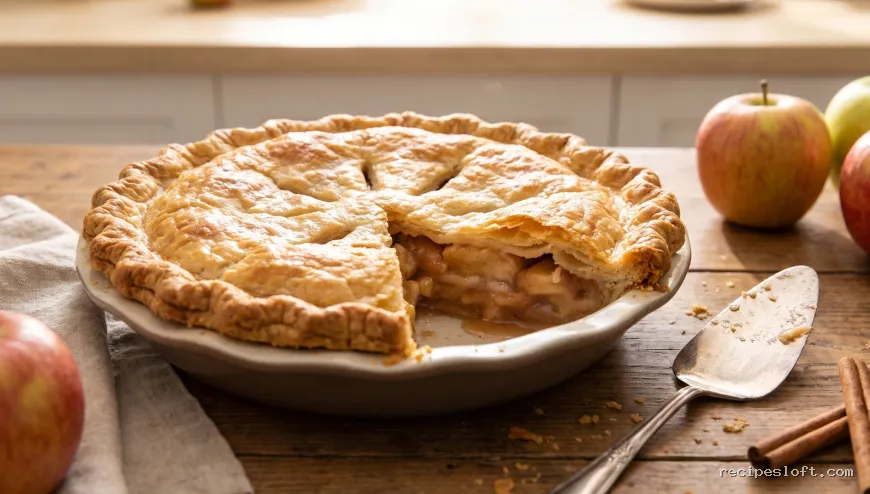
Cook this recipe
Butter and Shortening Pie Crust
Instructions
Mix dry ingredients
Cut in the fats
Add ice water
Divide and chill
Roll out the dough
Fit into the pie plate
Blind bake if needed
Share this recipe
Loved this recipe? Share it with someone who’ll enjoy it.
Cooking guide
Cooking tips and techniques
A pie crust butter crisco blend uses half cold butter and half vegetable shortening, giving you the rich flavor of butter with the tender, flaky structure shortening provides. This combination rolls out easily, holds its shape during baking, and works for both sweet and savory pies. For an all-butter version with step-by-step technique, see our never fail pie crust recipe.
Pie Crust Butter Crisco: Why This Combination Works
Butter melts at a lower temperature than shortening and releases steam as it bakes, which creates the thin, flaky layers people associate with good pie crust. Shortening, on the other hand, has a higher melting point and coats flour proteins more evenly, which makes the dough easier to handle and less prone to shrinking or slumping in the pan. Using both fats together means you get butter's flavor and color along with shortening's reliability, which is why so many bakers default to a 50/50 split rather than choosing one fat exclusively.
Ingredient Behavior: Butter vs. Shortening vs. Margarine
Each fat behaves differently once it hits warm dough or a hot oven, so swapping one for another changes the result. Butter contributes flavor and crisp, defined layers but is more sensitive to overworking and warm kitchens. Vegetable shortening is nearly flavorless but very forgiving, producing a tender, sturdy crust that holds up well under heavy or wet fillings. If you're looking for a pie dough recipe with margarine instead of shortening, know that margarine contains more water than shortening, which can make the dough stickier and the baked crust slightly less crisp; chilling the dough longer and handling it minimally helps offset this.
Preventing a Tough or Shrinking Butter and Shortening Pie Crust
Most crust problems come down to overworking the dough or letting the fats get too warm before baking. Keep both the butter and shortening cold and cubed until the moment they're cut into the flour, and stop mixing as soon as the dough holds together when pinched — visible pea-sized pieces of fat are what create flaky layers, not a smooth, uniform dough. Chilling the shaped disc for at least an hour before rolling relaxes the gluten so the crust won't shrink back when it hits the oven, and letting a fitted, unbaked crust rest in the refrigerator for 15–20 minutes before baking helps it hold its shape at the edges.
Storing and Freezing Butter and Shortening Pie Crust Dough
Wrapped tightly in plastic, a disc of raw dough keeps in the refrigerator for up to 2 days or in the freezer for up to 3 months. Thaw frozen dough overnight in the refrigerator before rolling; rolling cold dough straight from the freezer can cause cracking. A baked, empty crust can be stored at room temperature for a day if it will be filled the same day, or wrapped and frozen for up to a month and crisped briefly in the oven before filling.
Serving Butter and Shortening Pie Crust in Sweet and Savory Pies
This crust is sturdy enough for juicy fruit fillings like apple or berry, where a shortening-heavy structure helps prevent a soggy bottom, while the butter keeps the flavor rich enough to stand up to custard or cream pies. It also works well for savory applications like chicken pot pie or quiche, since the shortening's neutral flavor won't compete with herbs, cheese, or broth-based fillings.
Helpful answers
Frequently Asked Questions
Can I use all shortening or all butter instead of combining them?
Yes, but the texture will change: all-butter crusts are flakier and more flavorful but harder to handle, while all-shortening crusts are sturdier and more neutral in flavor but less crisp.
Can I make a pie dough recipe with margarine instead of shortening?
Yes, margarine can replace shortening, though it contains more water, so the dough may be stickier; chill it longer and handle it minimally for the best texture.
How long does this pie crust dough last in the refrigerator?
Wrapped tightly, the raw dough keeps in the refrigerator for up to 2 days or in the freezer for up to 3 months.
Why did my pie crust shrink in the pan?
Shrinking usually happens when the gluten isn't relaxed before baking; chilling the shaped, unbaked crust for 15-20 minutes before it goes into the oven helps it hold its shape.
From readers
Reviews
Cooked this? Tell other readers how it went.
Be the first to review this recipe
Keep cooking


