
Recipe collection
Classic Lasagna with Ricotta: Recipes and Tips
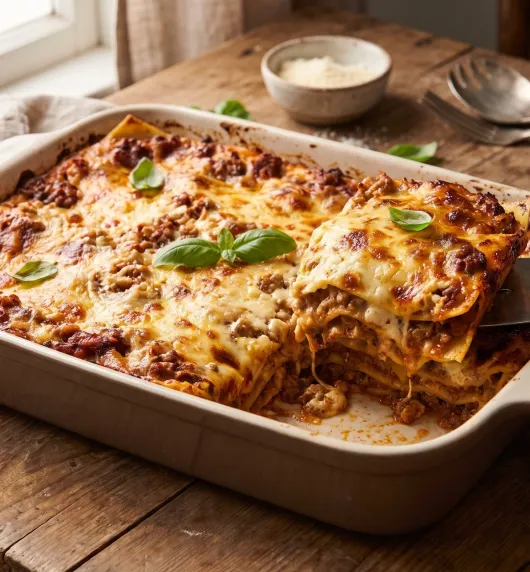
Lasagna recipe with ricotta cheese to try: Sicilian Lasagna, 8x8 Lasagna (Small Batch) and more, with practical cooking tips.
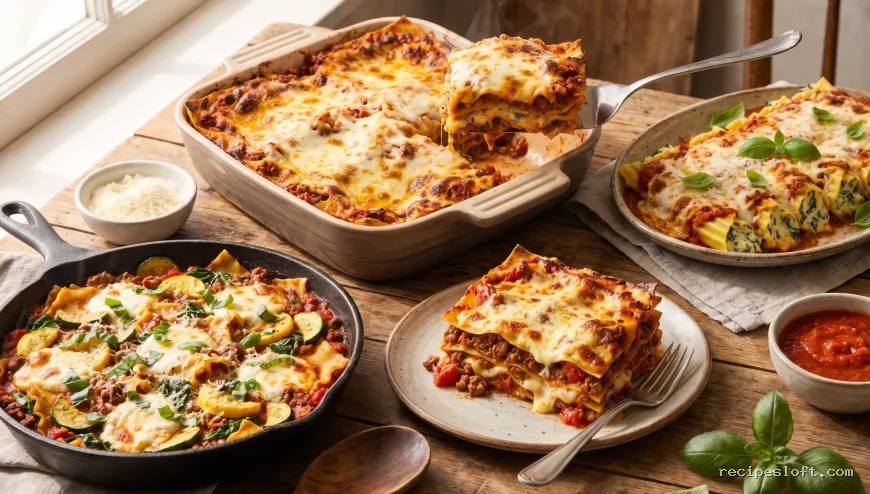
The right ricotta lasagna depends on headcount, noodle choice, and time. A small 8x8 version suits two to four people, big-batch 9x13 or larger feeds a crowd, fresh pasta sheets give a tender restaurant-style bite, dried noodles work for traditional baking, skillet lasagna fits a fast weeknight, and baked manicotti offers the same filling with easier portioning.
If you've ever stood in the kitchen wondering which lasagna recipe with ricotta cheese actually fits your night, this guide is built for you. Maybe you're cooking for two, feeding a holiday table of twelve, or trying to get dinner on the table in under an hour without sacrificing that creamy, cheesy layer that makes lasagna feel like a hug. Rather than handing you one rigid recipe, this page sorts the many ways to build a ricotta lasagna by batch size, pasta style, and cooking method, so you can pick the version that matches your pan, your schedule, and your crowd.
Use this guide as a map, not a mandate. Skim the framework below to understand what separates one ricotta-based lasagna from another, then follow the links to the specific recipe family that fits your situation. Each linked page goes deep on one approach with full ingredient lists and steps, while this page stays focused on helping you choose correctly the first time and on general prep, storage, and troubleshooting advice that applies no matter which version you land on.
How to Choose the Right Lasagna Recipe with Ricotta Cheese
Three variables drive almost every decision in ricotta lasagna: how many people you're feeding, what kind of pasta you're using, and how much hands-on time you want to spend. Walking through these in order will usually point you to the right recipe faster than browsing random search results.
Start with your headcount
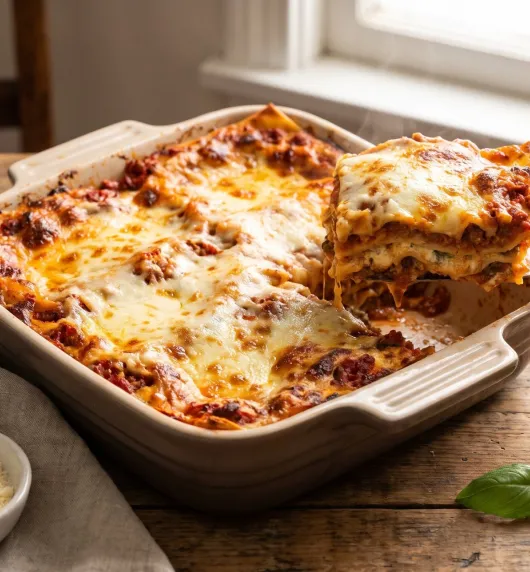
A small 8x8 pan is forgiving and quick to reheat as leftovers for one or two people, while a full 9x13 or larger baking dish is built for family dinners or potlucks. If you're hosting a holiday or a large gathering, a big-batch version scaled for a crowd saves you from doing math on the fly or running out halfway through assembly.
Decide on your noodle
Dried boxed noodles, no-boil sheets, and fresh pasta sheets all behave differently in the oven. Fresh sheets cook faster and give a more tender bite, while dried noodles need either pre-boiling or extra sauce moisture to soften properly during baking. This single choice affects your bake time and liquid ratios more than almost anything else.
Match the method to your schedule
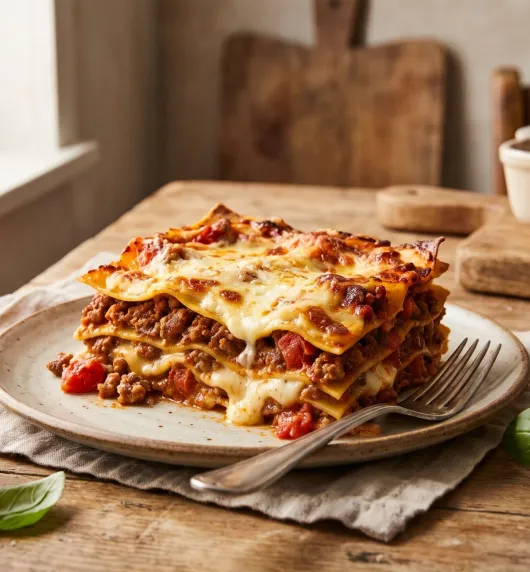
Traditional layered-and-baked lasagna rewards patience with distinct, sliceable layers, but it isn't your only option. A stovetop skillet version delivers the same ricotta-and-sauce flavor in a fraction of the time, and baked manicotti offers the same cheese-and-sauce combination in individually stuffed tubes, which some cooks find easier to portion.
Recipe Families in This Collection
Each of the following pages explores one branch of the ricotta lasagna family in full detail. Browsing this section will help you understand what makes each version distinct before you commit to a recipe.
Sicilian Lasagna
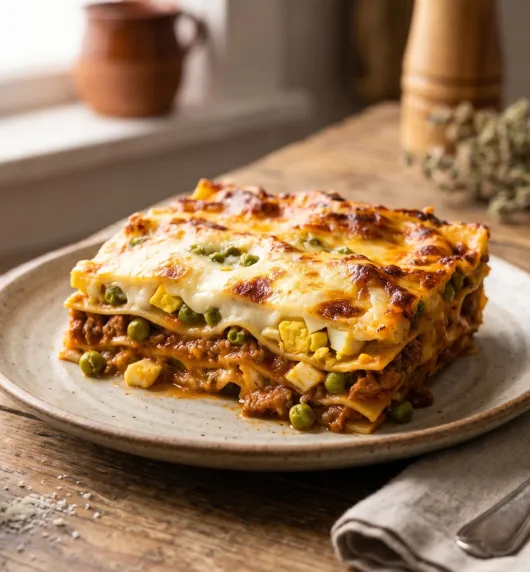
Sicilian-style lasagna leans into bold, regional flavor layering, often incorporating different cheese textures and a heartier sauce profile than the typical American-Italian version. It's a good pick if you want something a little more distinctive than the everyday weeknight pan.
Get the full Sicilian lasagna recipe.
8x8 Lasagna (Small Batch)
Built for two to four servings, this small-batch approach solves the common problem of having a giant pan of lasagna with no one to eat it. It keeps the same ricotta layering technique but scales ingredients down so you're not stuck with a week of leftovers unless you want them.
Get the full small-batch 8x8 lasagna.
Lasagna with Fresh Pasta Sheets
Using fresh pasta sheets instead of dried noodles changes both texture and timing. This version is for cooks who want a more delicate, restaurant-style bite and don't mind the extra step of working with fresh dough.
Get the full lasagna with fresh pasta sheets.
Big-Batch Lasagna for a Crowd
When you're cooking for a dozen or more, a single 9x13 pan won't cut it. This version walks through scaling ingredients, layering in a larger dish, and timing the bake so the center cooks through without drying out the edges.
Get the full big-batch lasagna for a crowd.
Baked Manicotti
Manicotti uses the same ricotta-cheese filling concept as lasagna but tucks it into individual pasta tubes instead of flat layers. It's a great option if you want easier portion control or a slightly different presentation for the same flavors.
Get the full baked manicotti recipe.
Skillet Lasagna
For busy weeknights, a stovetop skillet lasagna delivers layered, cheesy comfort without heating the oven or waiting on a long bake. It's the fastest route to the same ricotta-rich flavor in this collection.
Get the full skillet lasagna recipe.
Preparing and Storing Ricotta Lasagna
Regardless of which recipe family you choose, a few preparation habits consistently produce better results.
Draining ricotta properly
Excess moisture in ricotta is one of the most common causes of a watery lasagna. Letting ricotta sit in a fine mesh strainer for a short while before mixing it with egg and seasoning helps keep your layers firm rather than soupy.
Letting the pan rest before slicing
Pulling a lasagna straight from the oven and cutting into it immediately almost always leads to collapsed layers. Resting the pan for ten to fifteen minutes allows the cheese and sauce to set up so slices hold their shape.
Storing and reheating leftovers
Baked lasagna keeps well in the refrigerator for a few days when covered tightly, and most versions in this collection freeze well either whole or in individual portions. Reheating gently, covered, in a low oven helps preserve texture better than a quick high-heat blast.
Finding Your Lasagna
There's no single correct lasagna recipe with ricotta cheese, only the one that fits your headcount, your pasta preference, and the amount of time you have. Use the framework above to narrow your choice, then follow the links to the recipe family that matches your needs for full ingredients and step-by-step instructions.
Cook next
Recipes in this guide
Explore the recipes that turn this guide into a practical cooking plan.


Helpful answers
Frequently asked questions
What makes a lasagna recipe with ricotta cheese different from a béchamel-based lasagna?
Ricotta-based lasagna uses a cheese and egg mixture as the creamy layer between pasta and sauce, giving it a slightly grainy, rich texture, while béchamel-based versions use a cooked milk and flour sauce for a smoother, more uniform layer. Both are traditional in different regional and family styles of Italian-American cooking.
Can I use cottage cheese instead of ricotta?
Some cooks substitute cottage cheese for ricotta to change the texture or use what's on hand, though the result will taste and look slightly different since cottage cheese has a looser curd and tangier flavor than ricotta.
Do I need to boil noodles before layering?
It depends on the noodle type you choose. Traditional dried noodles typically need boiling first, no-boil noodles are designed to soften using the sauce's moisture during baking, and fresh pasta sheets generally need only a brief blanch or no pre-cooking at all.
How far ahead can I assemble lasagna before baking?
Many versions of ricotta lasagna can be assembled a day ahead and refrigerated unbaked, then baked when needed, which makes it a convenient make-ahead option for gatherings or busy weeknights.
Why did my lasagna turn out watery?
Watery lasagna usually results from excess moisture in the ricotta, under-drained vegetables in the sauce, or not letting the finished dish rest before slicing. Addressing these three factors typically solves the problem.